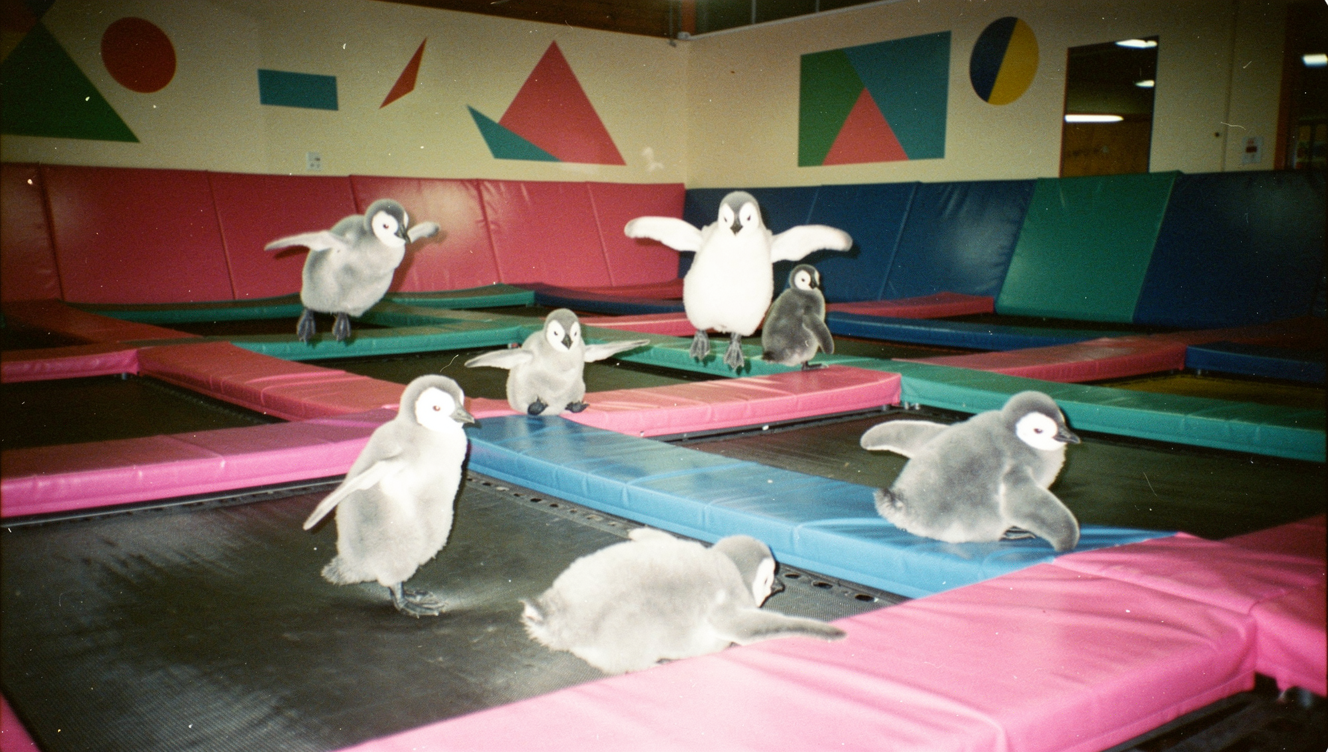
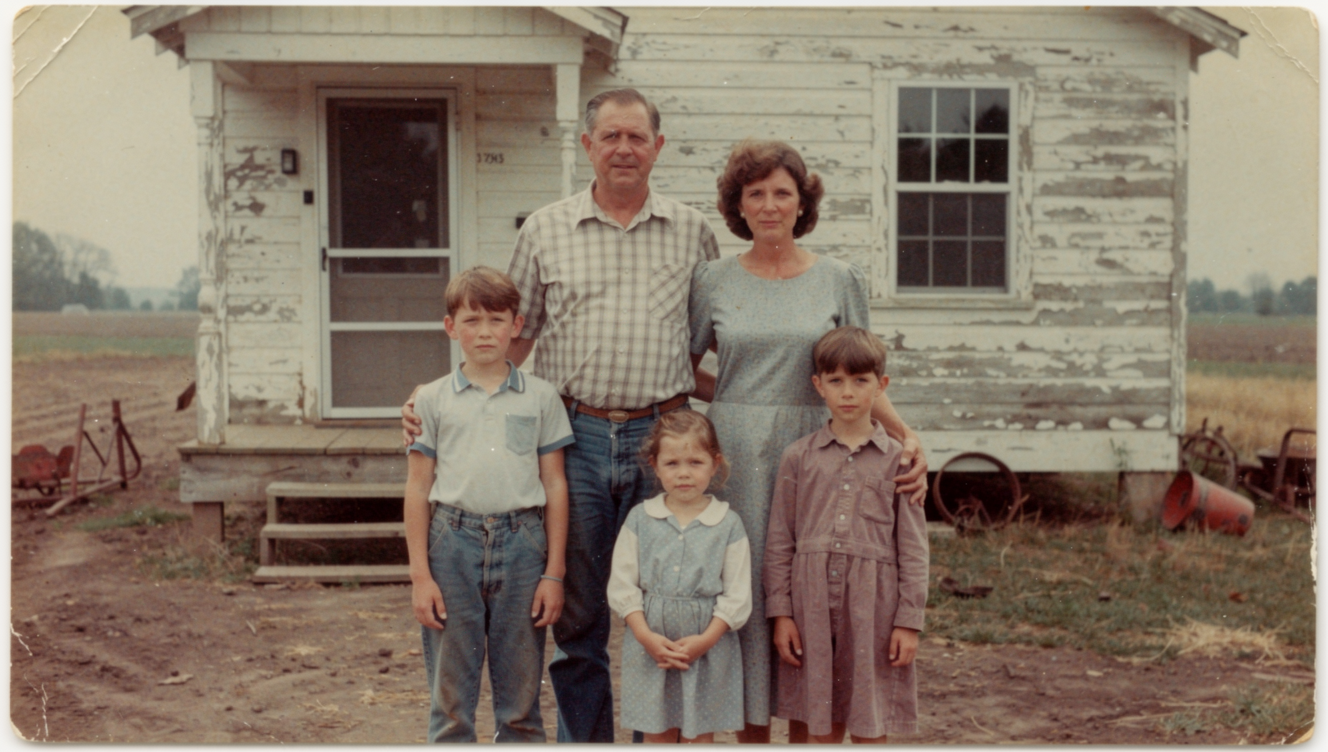
Use this framework for consistent results: Subject + Action + Style + Context
Subject: The main focus (person, object, character)
Action: What the subject is doing or their pose
Style: Artistic approach, medium, or aesthetic
Context: Setting, lighting, time, mood, or atmospheric conditions
Example 1
Example 2
Example 3
Example 4
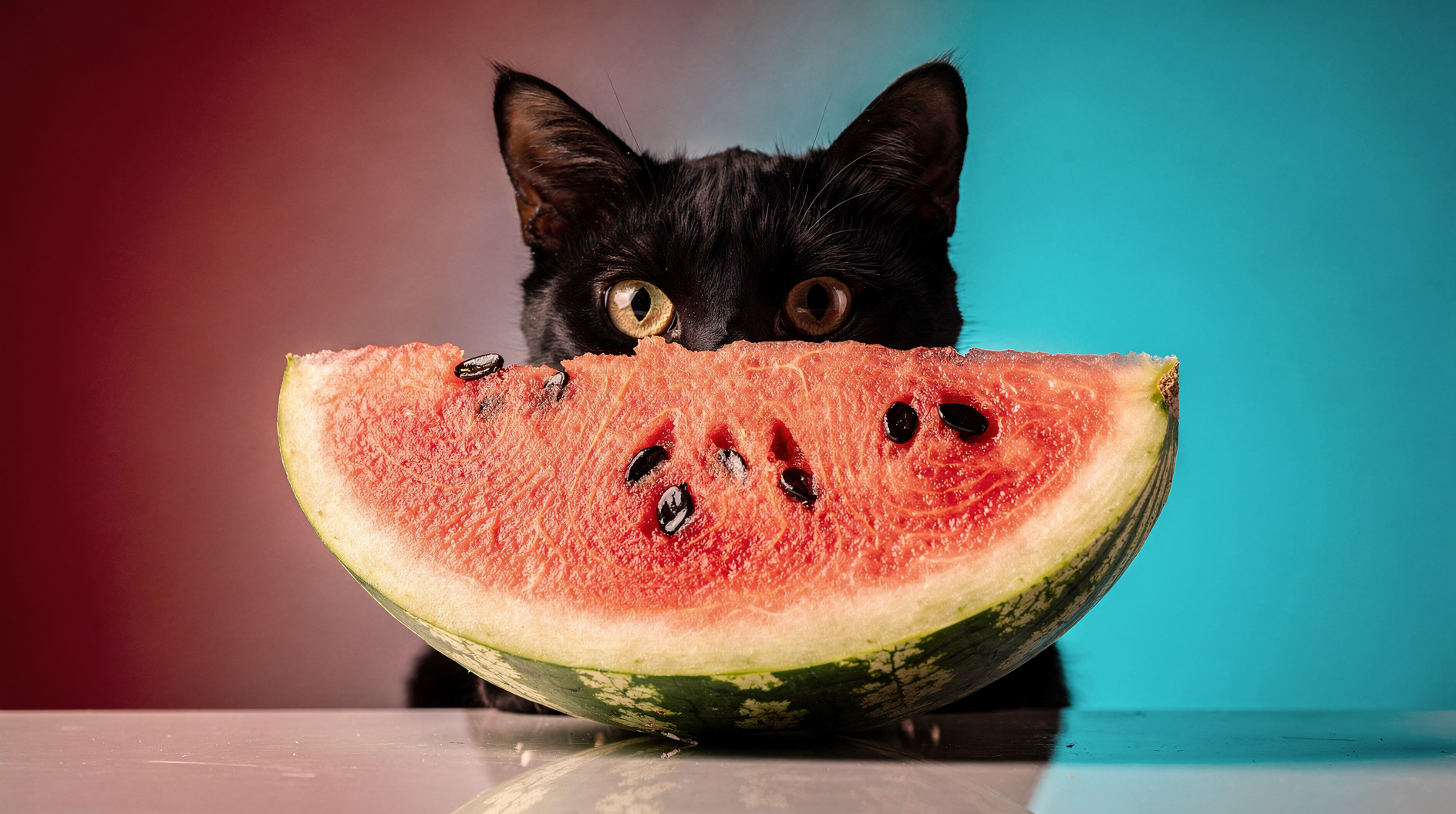
Black cat hiding behind a watermelon slice, professional studio shot, bright red and turquoise background with summer mystery vibe
Dog wrapped in white towel after bath, photographed with direct flash and high exposure, fur wet details sharply visible, editorial raw portrait, cinematic harsh flash lighting, intimate humorous documentary style
A small red propeller plane banking sharply between massive jungle trees in a bright anime style, with midday sun illuminating lush green foliage and waterfalls cascading in the background.
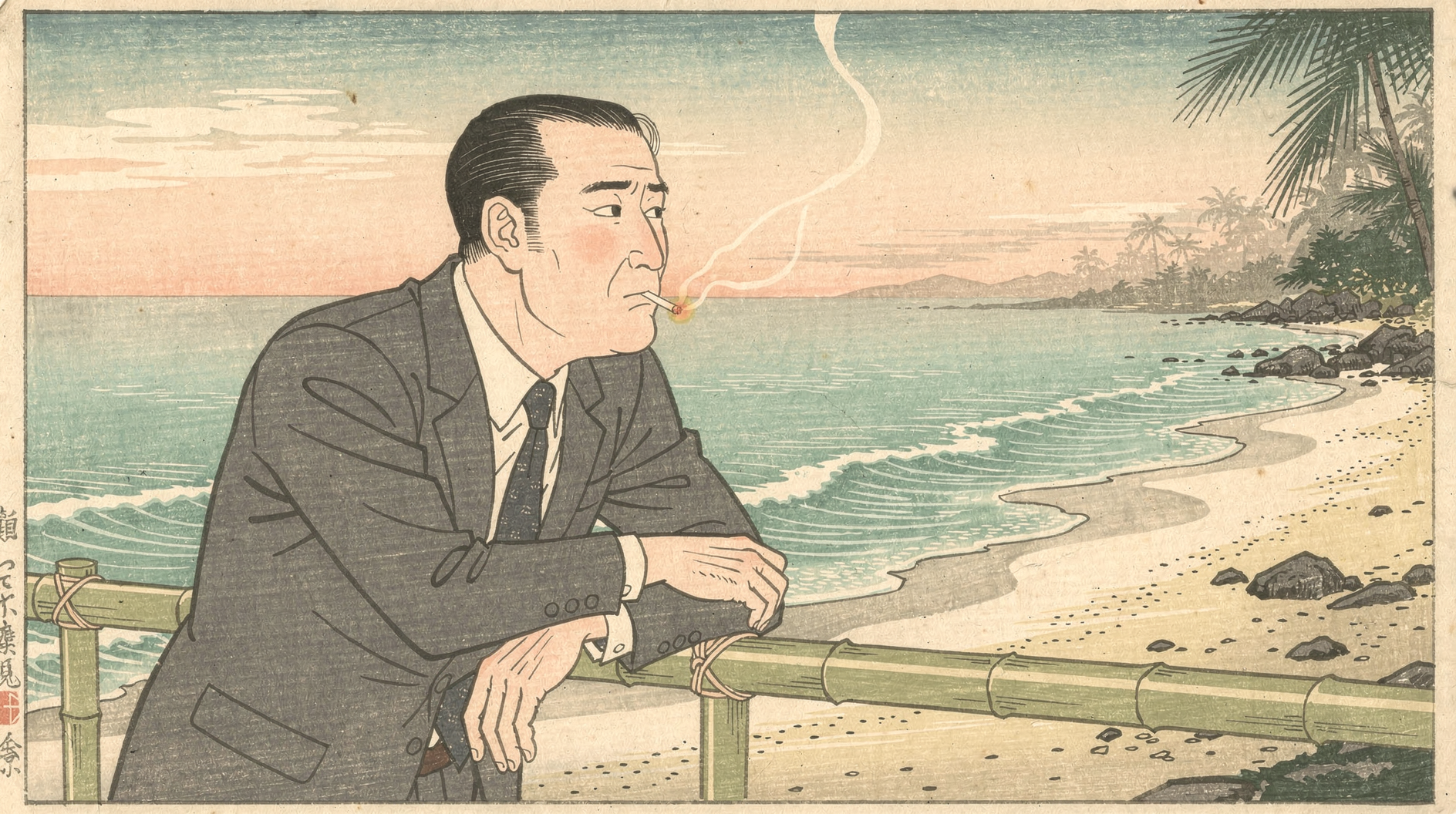
A businessman in a charcoal grey suit resting his arms on a bamboo railing at a secluded beach in the Philippines, cigarette glowing between his lips, illustrated in a vintage Japanese woodblock print style with soft pastel tones, calm turquoise waters, and a hazy afternoon sky.
Word order matters - FLUX.2 pays more attention to what comes first. Put your most important elements at the beginning:Priority order: Main subject → Key action → Critical style → Essential context → Secondary detailsPrompt length guidance:
Short (10-30 words): Quick concepts and style exploration
Medium (30-80 words): Usually ideal for most projects
Long (80+ words): Complex scenes requiring detailed specifications
Be specific about camera settings for authentic results:
Copy
Ask AI
Shot on Hasselblad X2D, 80mm lens, f/2.8, natural lighting
Copy
Ask AI
Canon 5D Mark IV, 24-70mm at 35mm, golden hour, shallow depth of field
For photorealism, specify camera models, lenses, and film stocks. “Shot on Fujifilm X-T5, 35mm f/1.4” produces more authentic results than just “professional photo.”
FLUX.2 generates clean typography, product marketing materials, and magazine layouts.
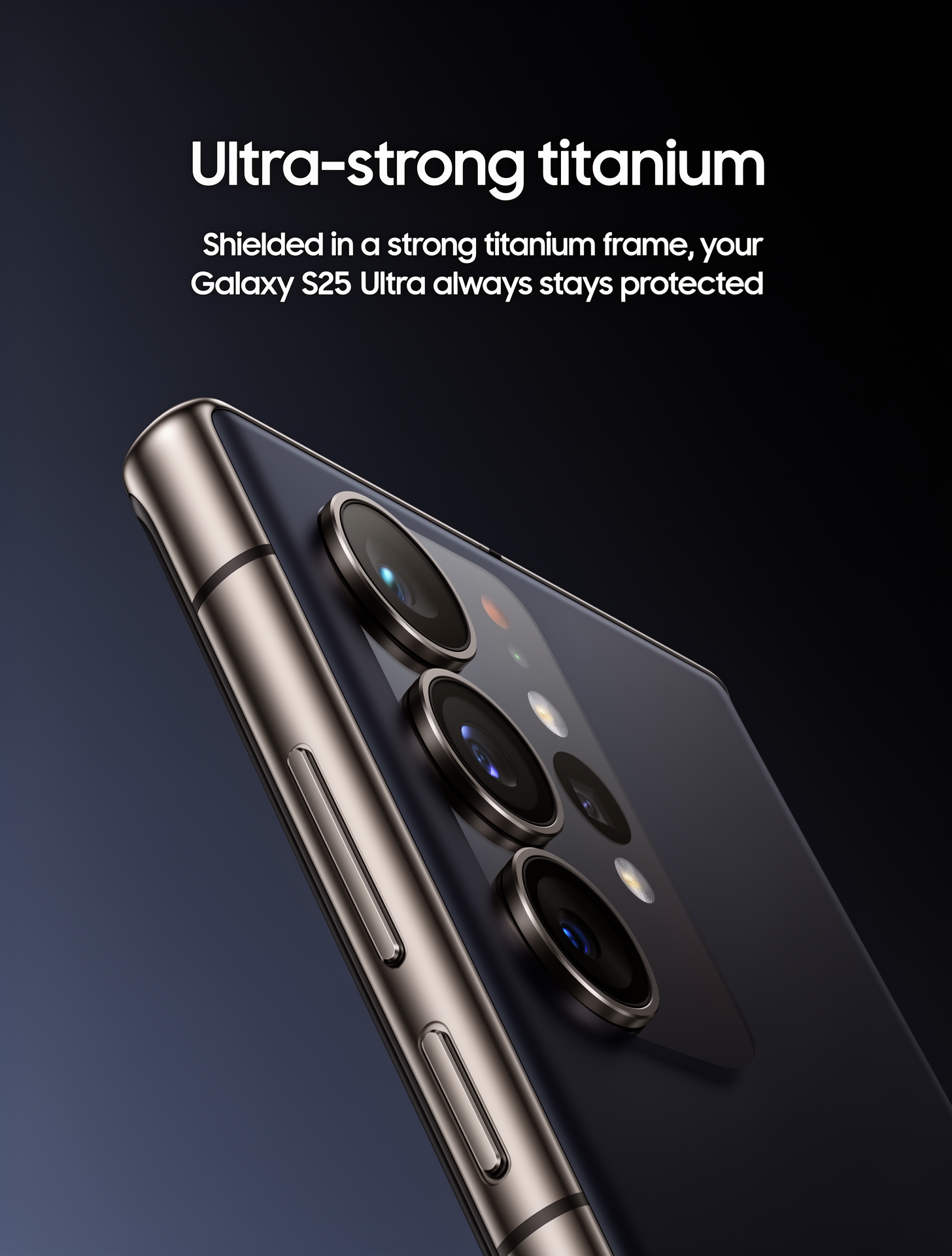
Product Advertisement
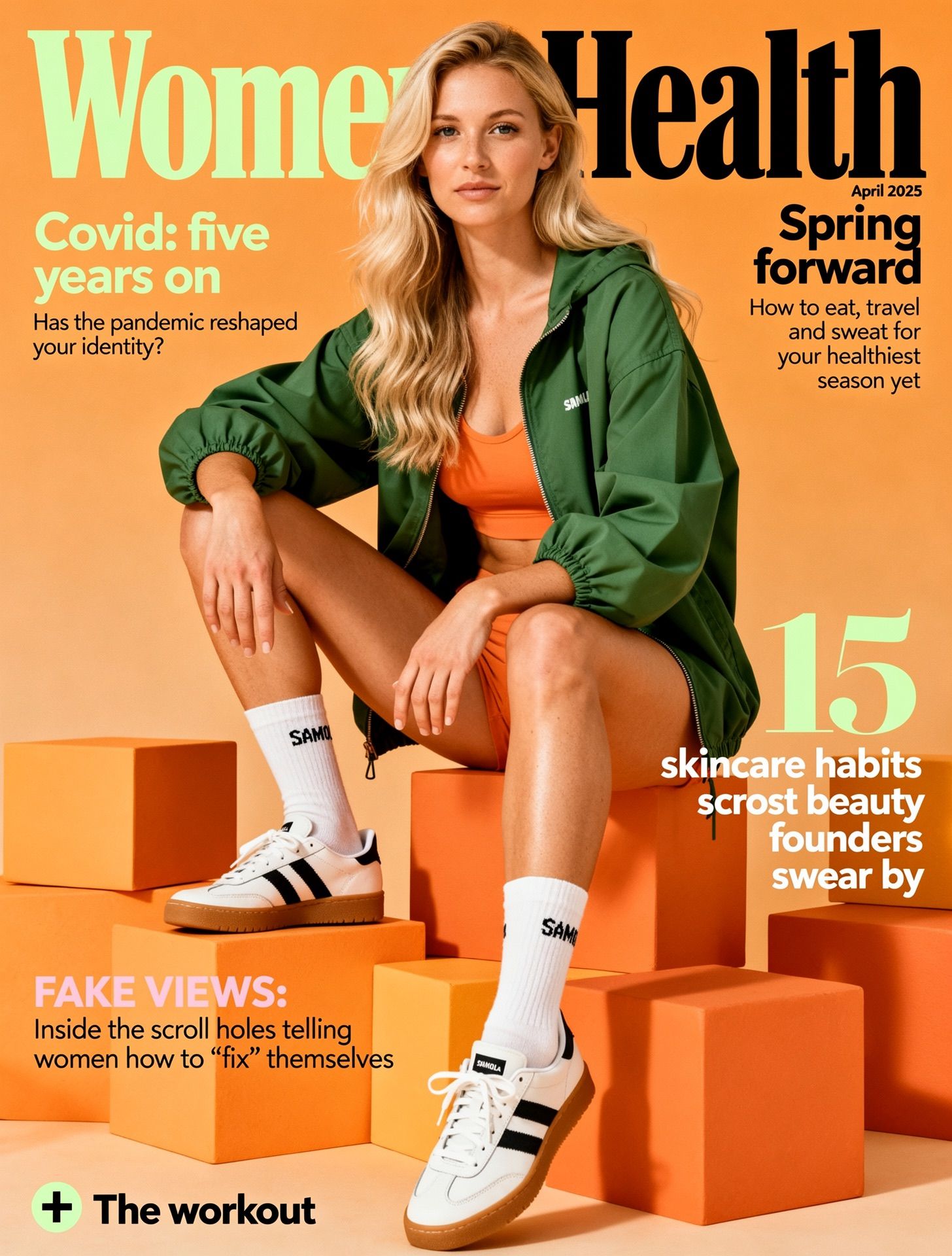
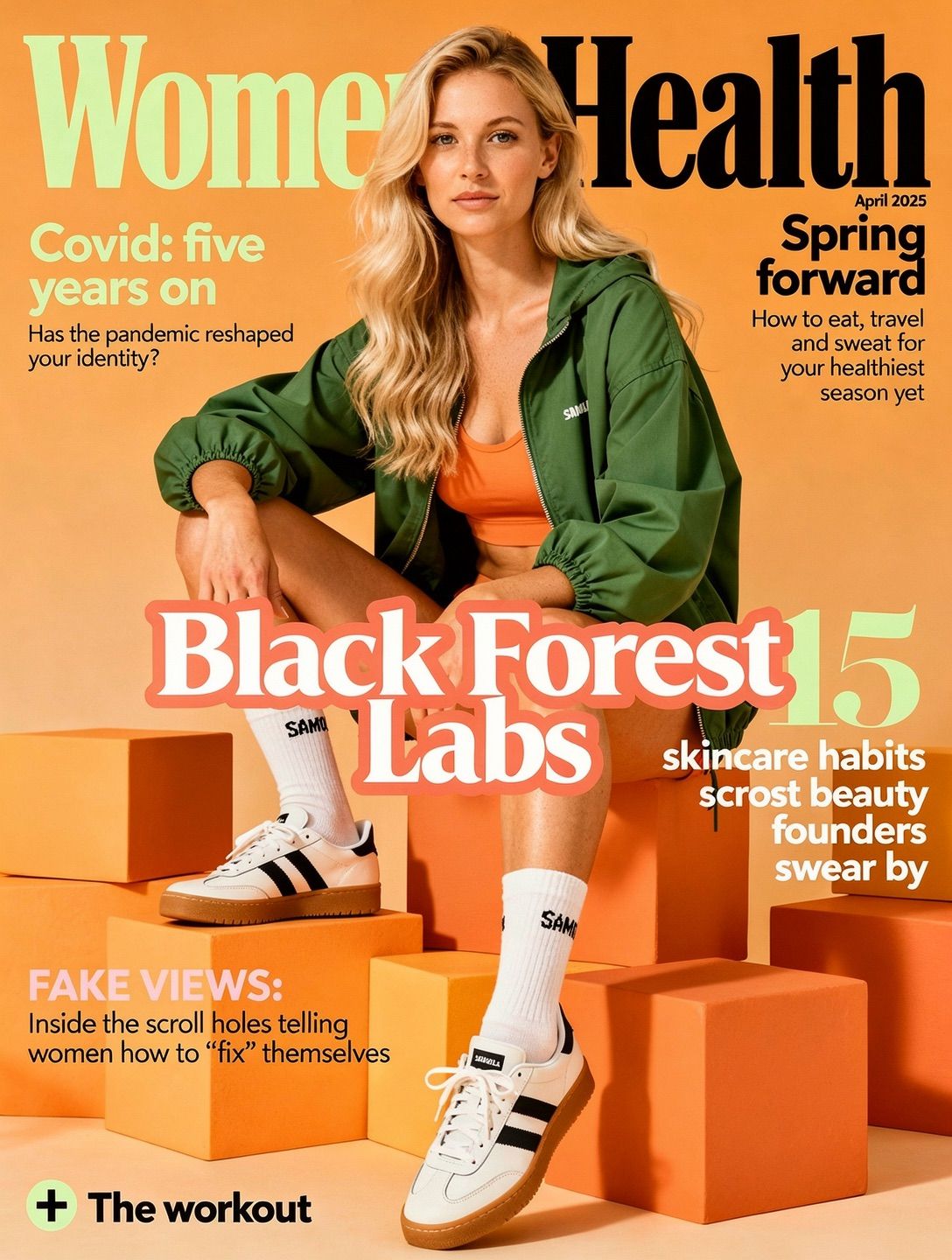
Magazine Cover
White Paper Poster
Groovy Retro Poster
Samsung Galaxy S25 Ultra product advertisement, 'Ultra-strong titanium' headline, 'Shielded in a strong titanium frame, your Galaxy S25 Ultra always stays protected' subtext, close-up of phone edge showing titanium frame, dark gradient background, clean minimalist tech aesthetic, professional product photography
Women's Health magazine cover, April 2025 issue, 'Spring forward' headline, woman in green outfit sitting on orange blocks, white sneakers, 'Covid: five years on' feature text, '15 skincare habits' callout, professional editorial photography, magazine layout with multiple text elements
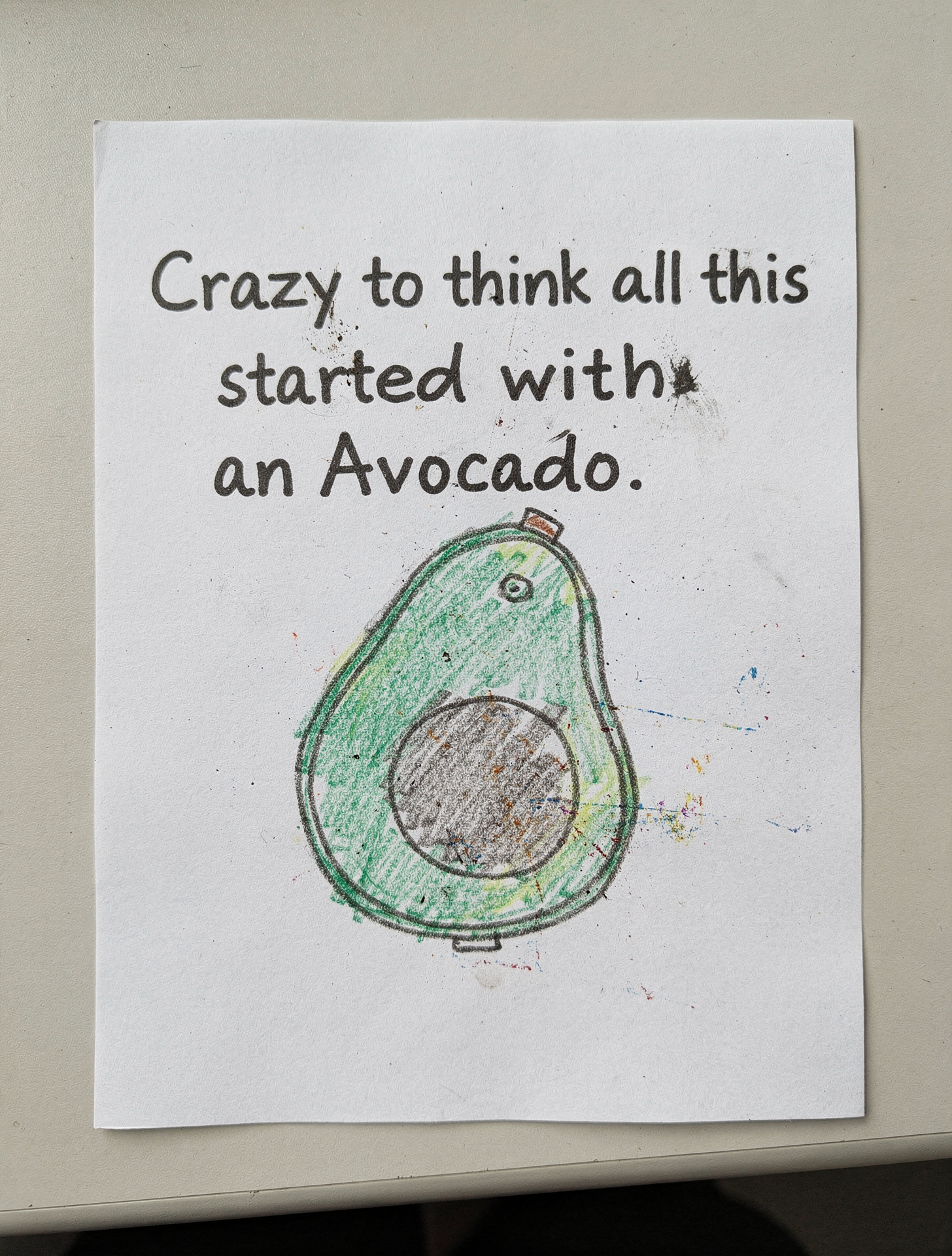
A White Paper with the Text "Crazy to think all this started with an Avocado." and a really bad drawing with diffusion artifacts of a avocado
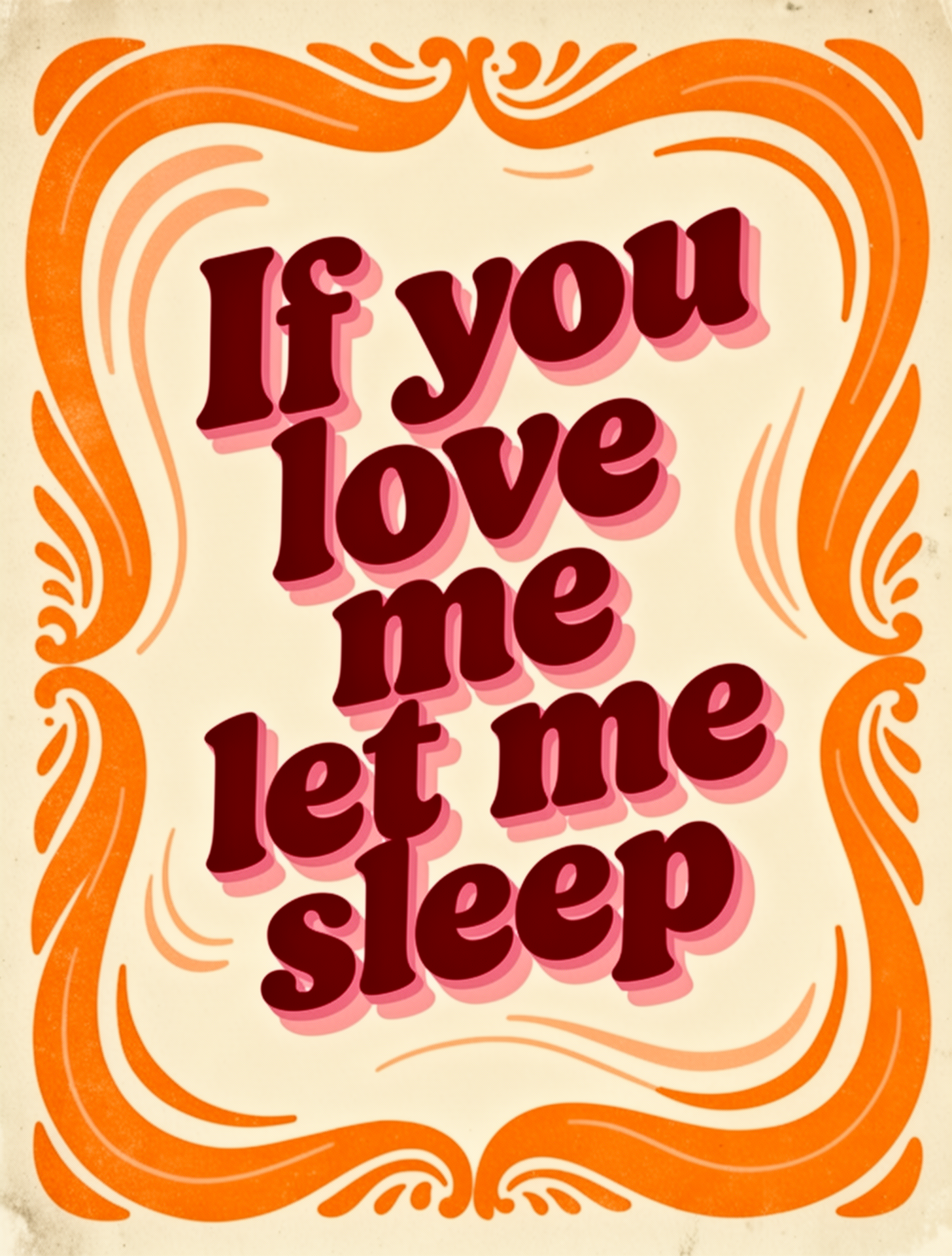
Groovy retro poster with the quote "If you love me let me sleep". Bold 70s typography in deep red and warm pink tones. Cream background and bold orange doodle around the text. Funky layout with playful shadow. Style: bold vintage aesthetic, dopamine decor
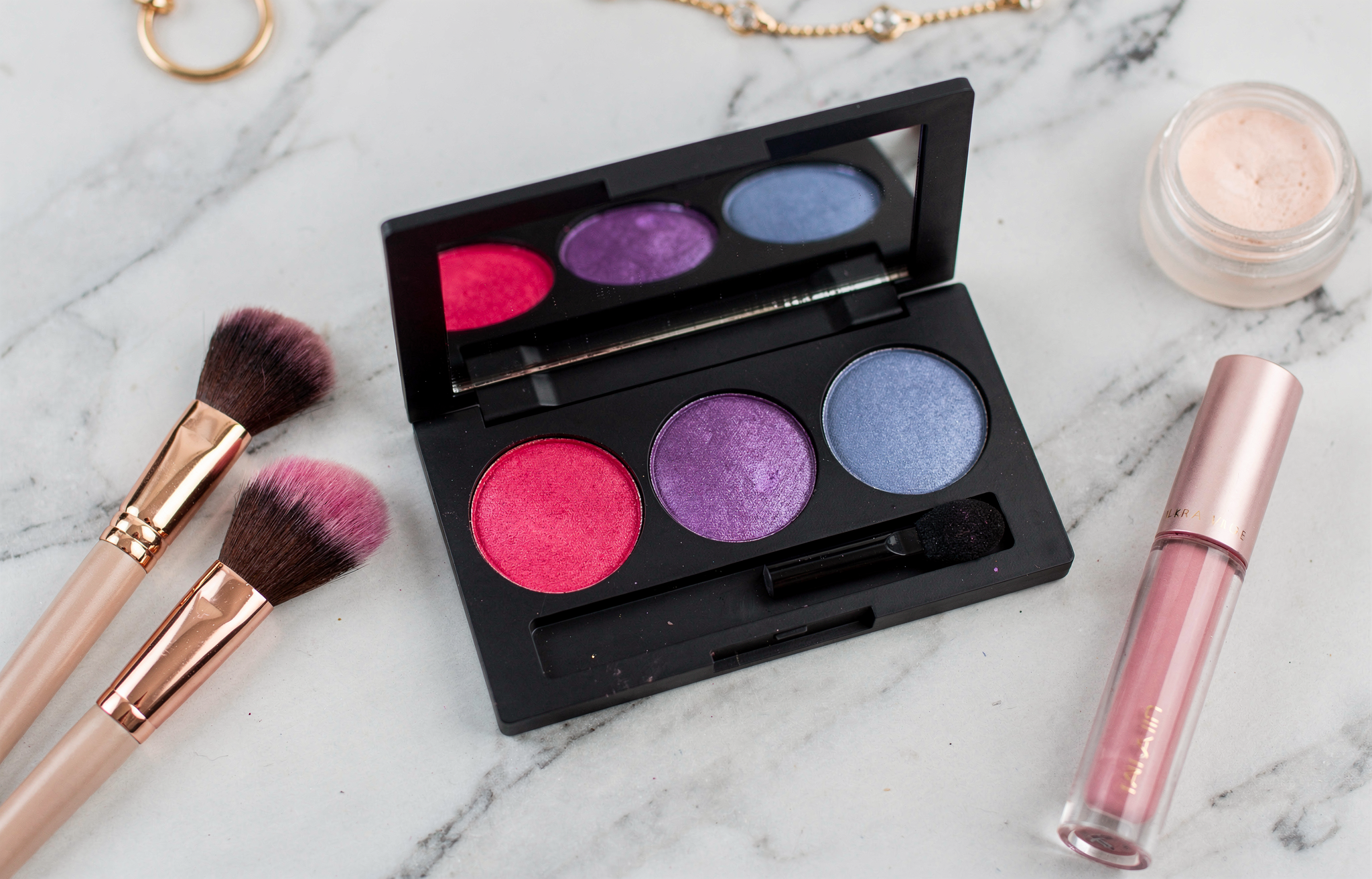
Signal hex colors with keywords like “color” or “hex” followed by the code:
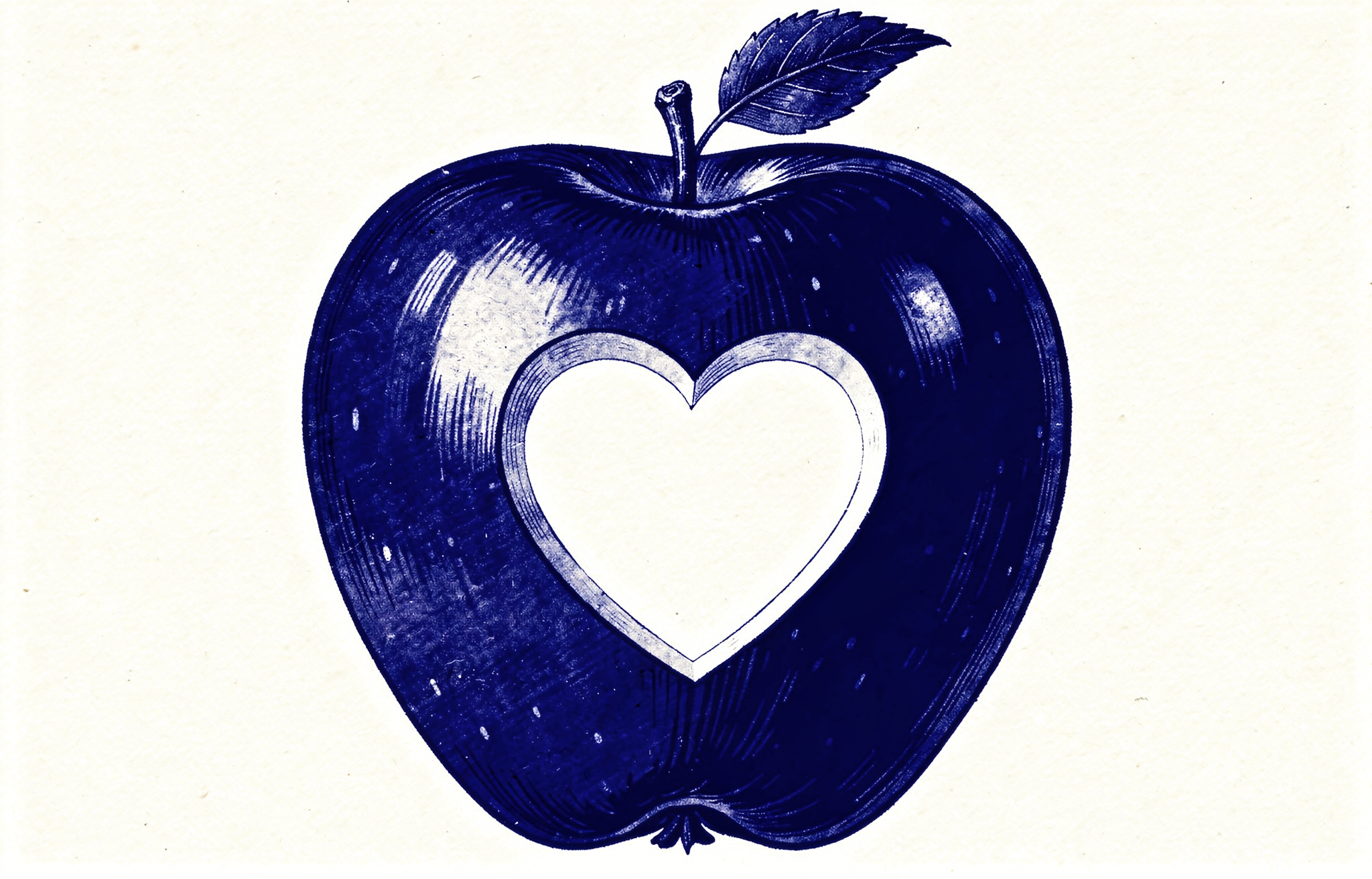
Apple Illustration
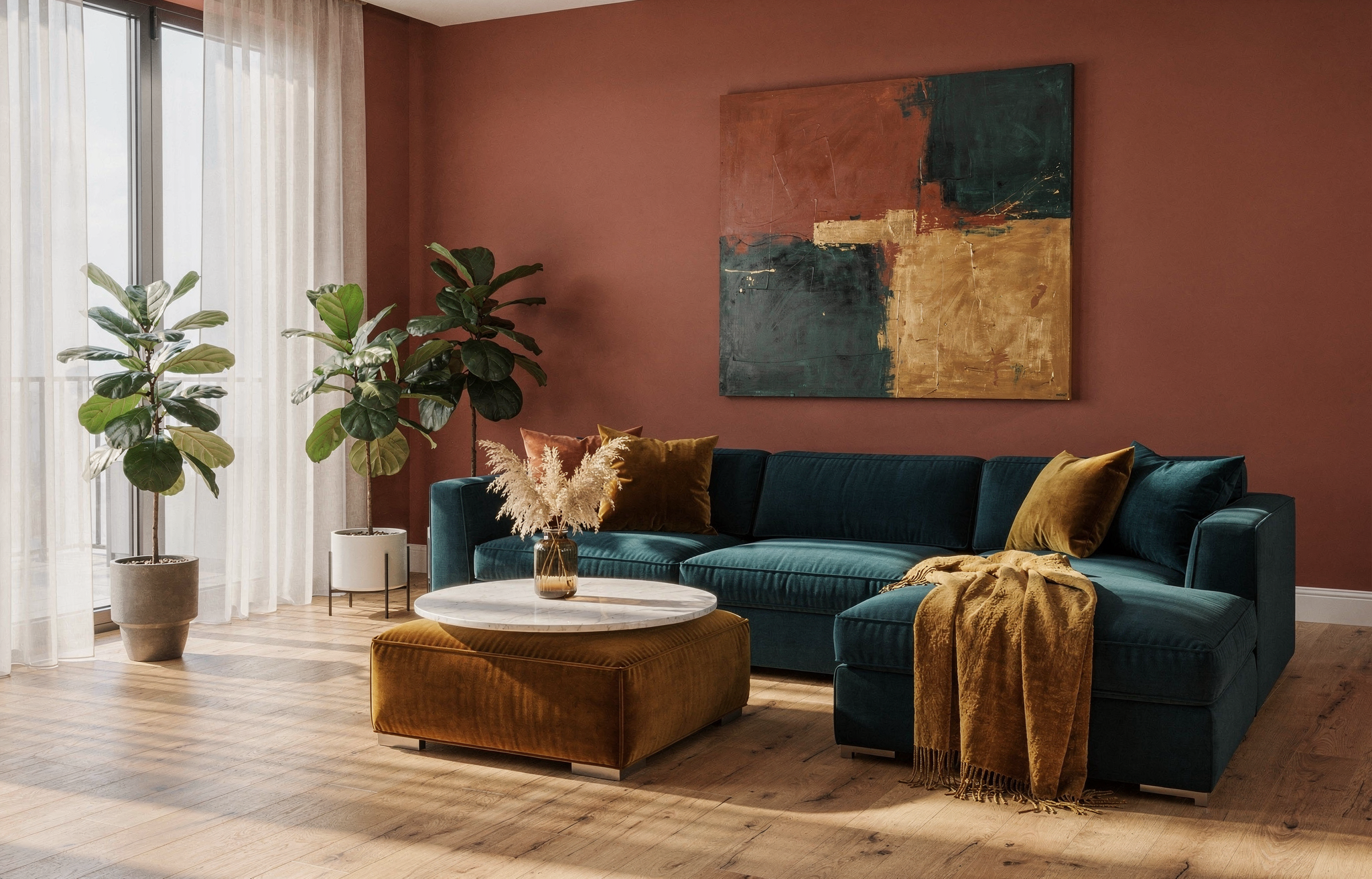
Livingroom
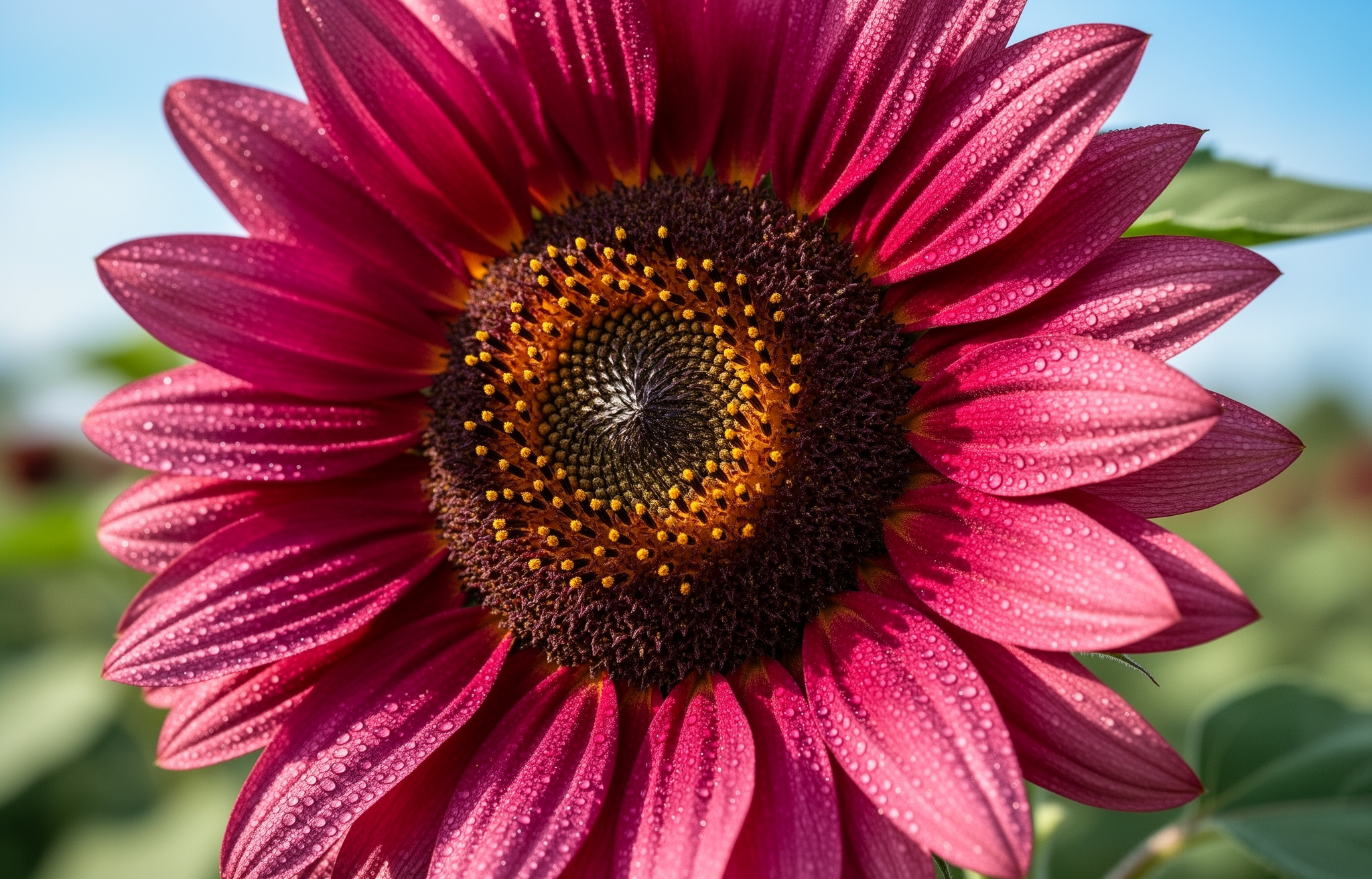
Sunflower
Apple: #0047AB
a vintage illustration of an apple in color #0047AB with a heart-shaped cutout in the middle, on a white background
Walls: #C4725ASofa: #1B6B6FAccent: #E8A847
A modern living room with warm terracotta walls in hex #C4725A, a large L-shaped sectional sofa in deep teal hex #1B6B6F, and golden amber hex #E8A847 accent pillows, throw blanket, and a velvet ottoman. Light oak hardwood floors, a round marble coffee table with dried pampas grass in a glass vase, floor-to-ceiling windows with sheer white curtains letting in soft afternoon light, two potted fiddle leaf figs, and an abstract painting on the main wall featuring all three accent colors. Clean minimal composition, natural daylight casting soft shadows across the room.
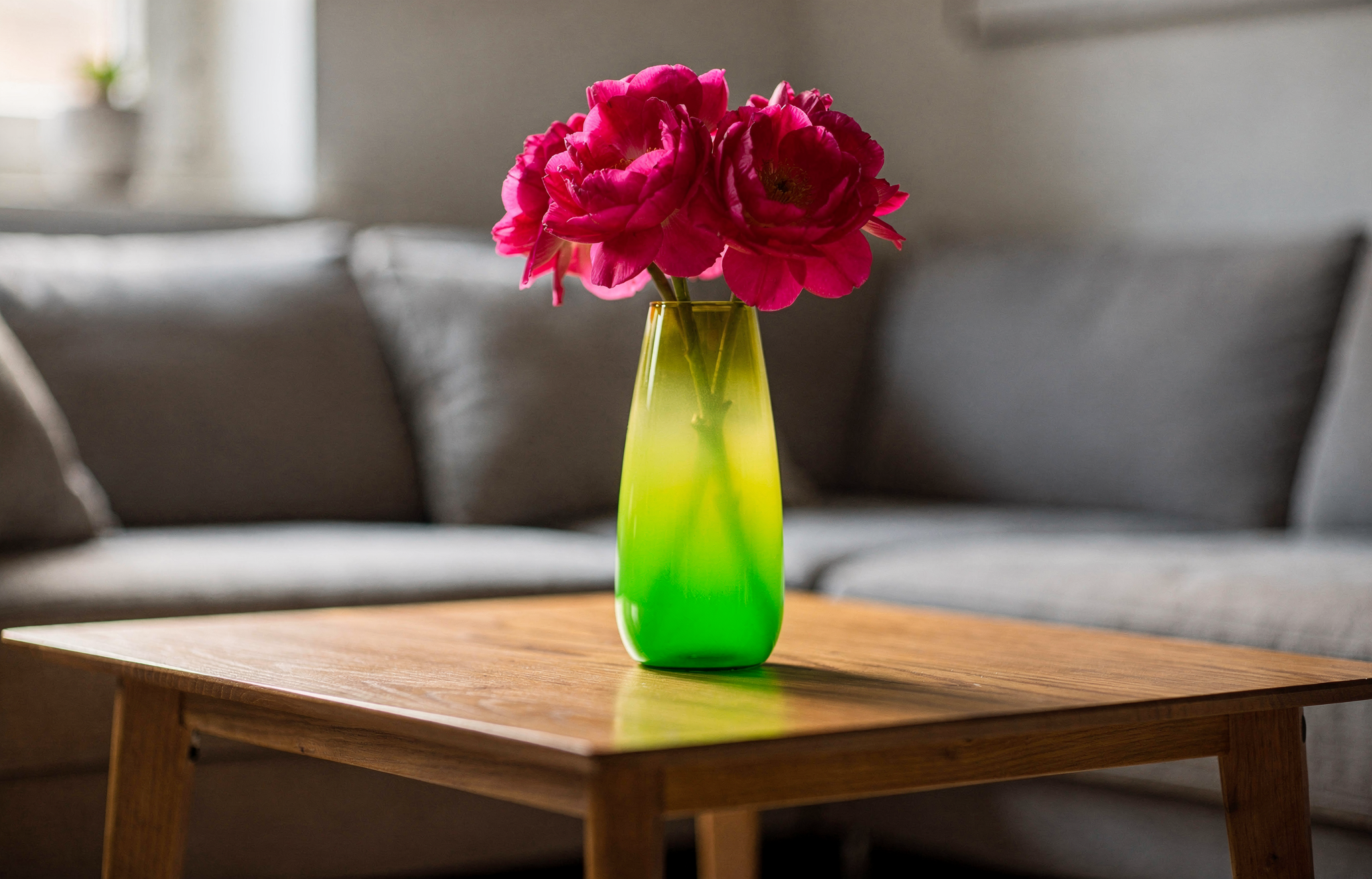
A vase on a table in living room, the color of the vase is a gradient, starting with color #02eb3c and finishing with color #edfa3c. The flowers inside the vase have the color #ff0088
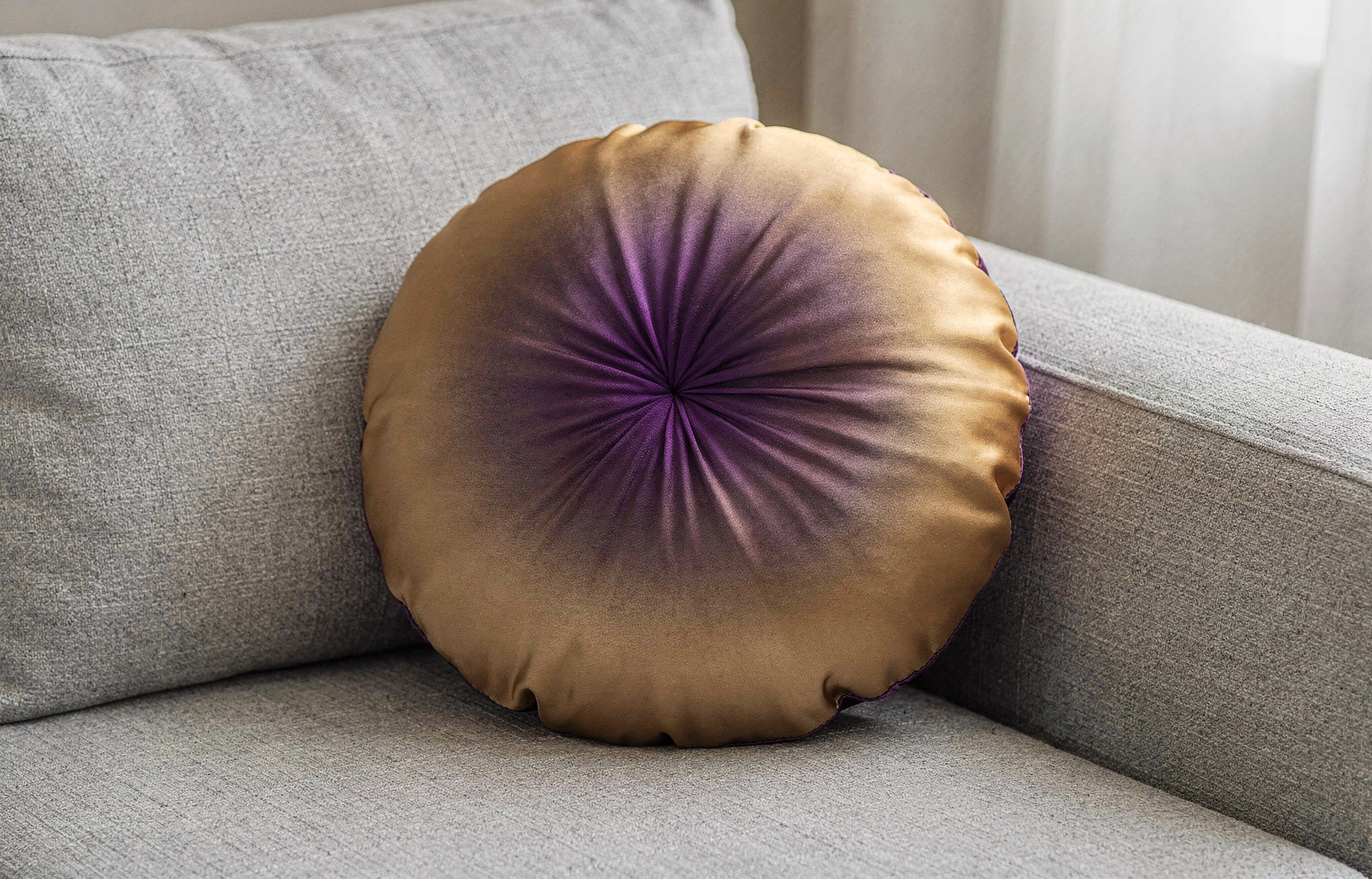
Center: #6A0DADEdges: #FFD700
A round silk throw pillow resting on a light gray linen sofa, the fabric of the pillow shows a radial gradient from rich purple (#6A0DAD) at the center fading outward to warm gold (#FFD700) at the edges, even ambient indoor lighting, close-up perspective.
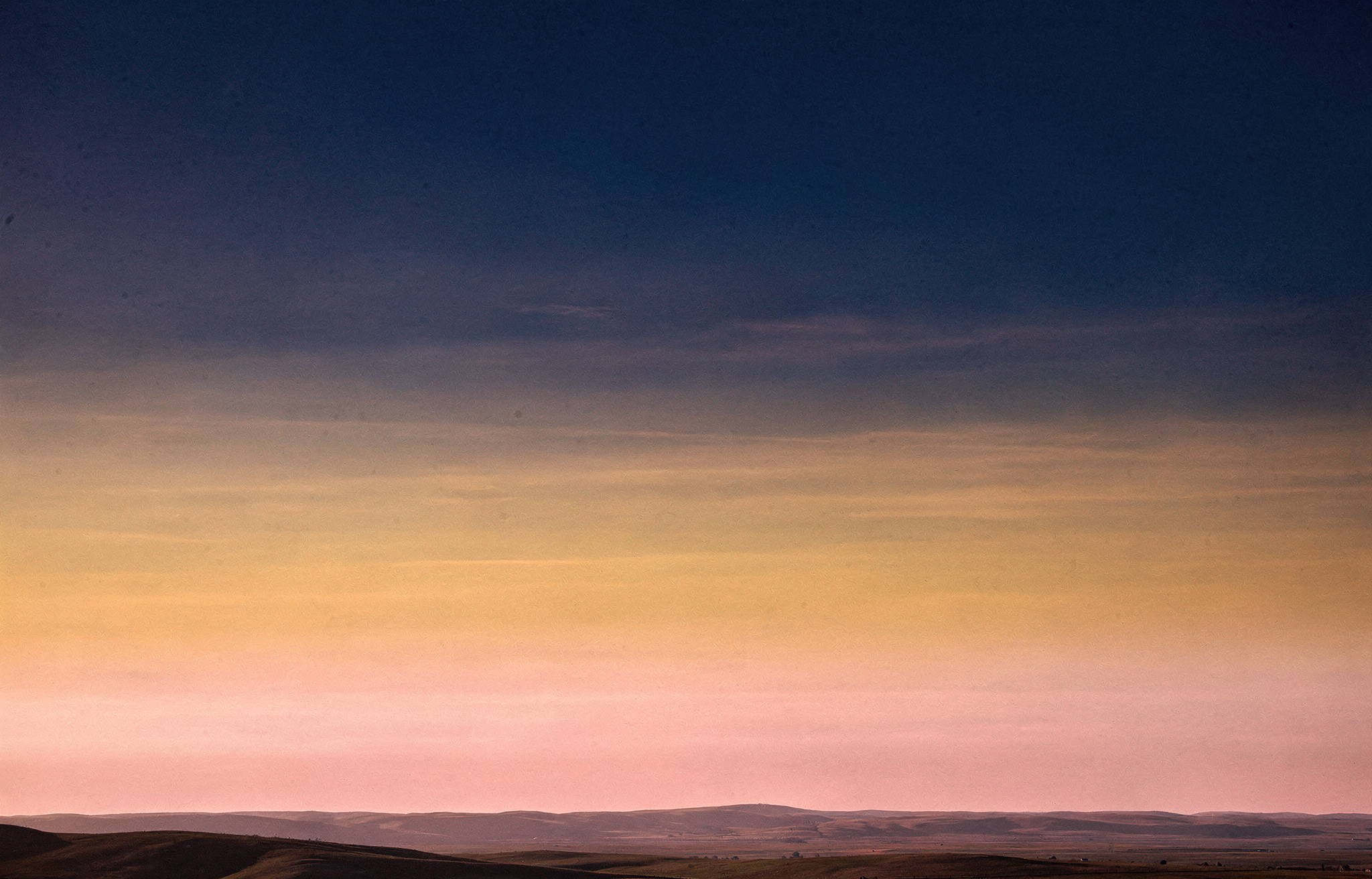
A wide panoramic view of a vast open sky stretching above a flat horizon line hills. The sky fills the entire frame and displays three distinct horizontal color zones blending smoothly into each other. The upper portion of the sky is deep indigo (#1B0A3E), gradually transitioning through the middle into a warm burnt amber (#CF6A2E), and the lowest section near the horizon glows in soft rose pink (#E8728A).
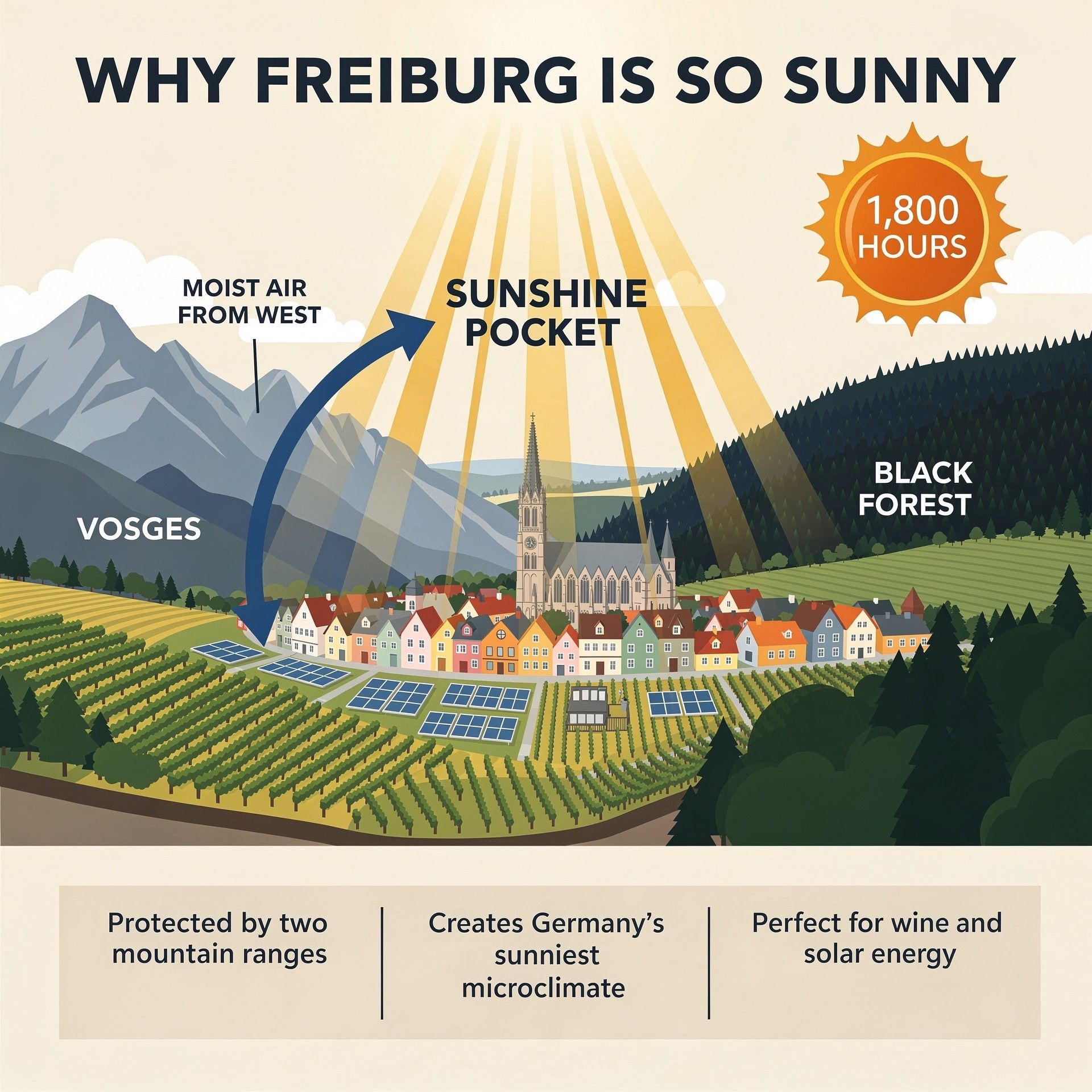
Example Prompt:“Create a vertical infographic about coffee consumption worldwide. Title: ‘Global Coffee Culture’. Include 3 sections with statistics, use icons for each country, color scheme #4A2C2A (brown) and #F5E6D3 (cream). Modern minimalist style with clean typography.”
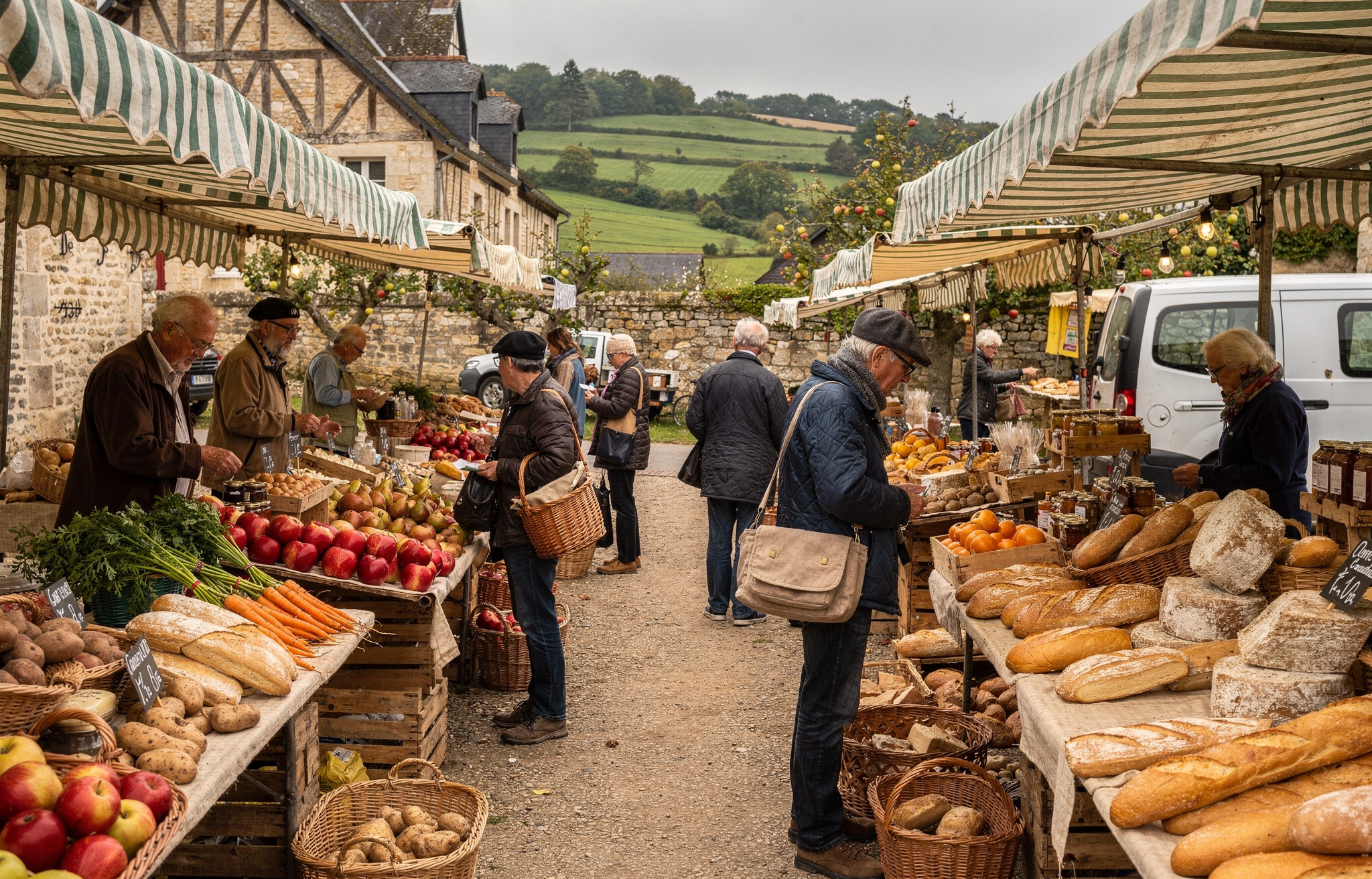
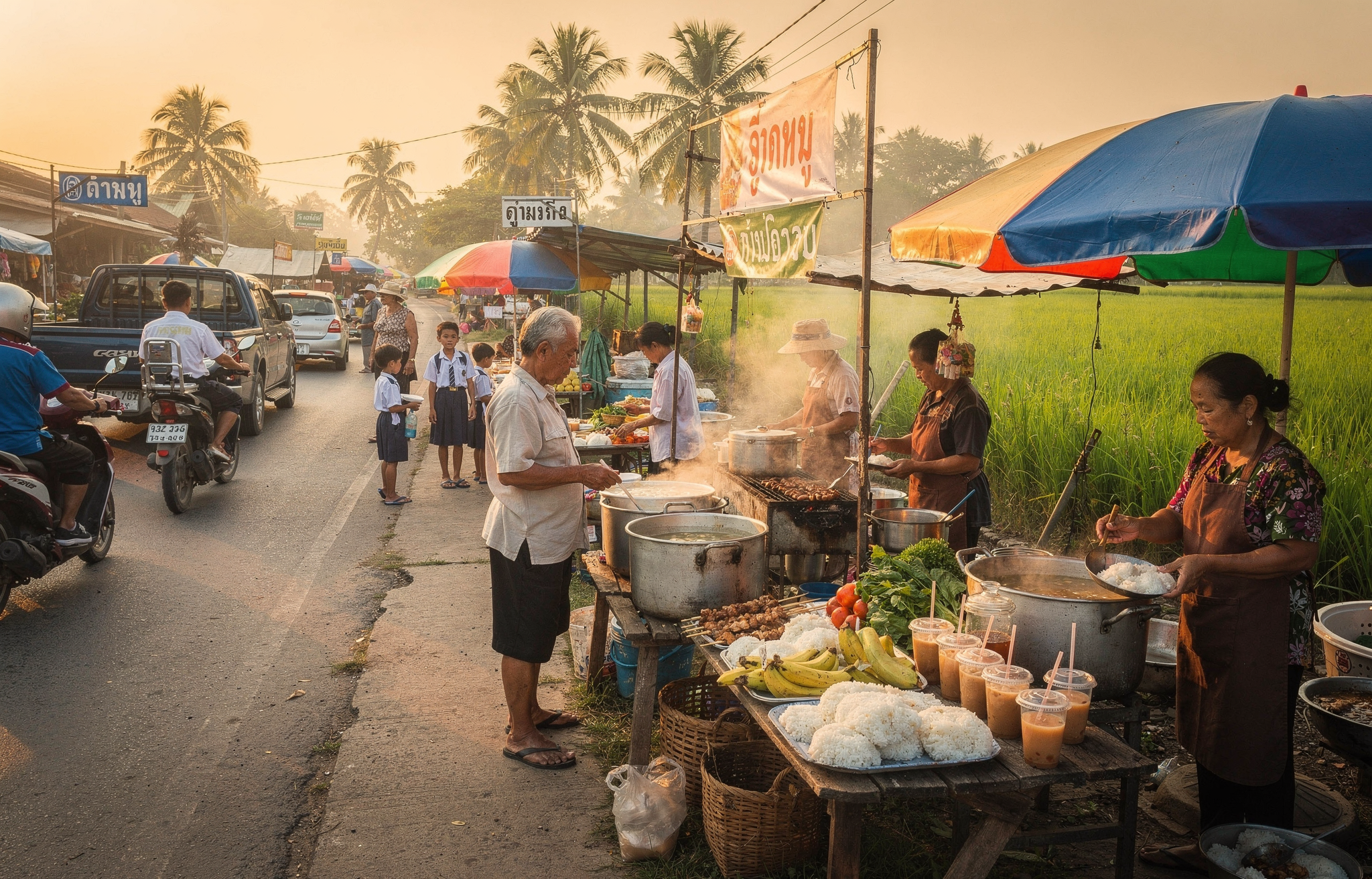
FLUX.2 understands multiple languages. Prompt in your native language for more culturally authentic results.
French
Thai
German
Un marché alimentaire dans la campagne normande
ตลาดอาหารเช้าในชนบทใกล้กรุงเทพฯ
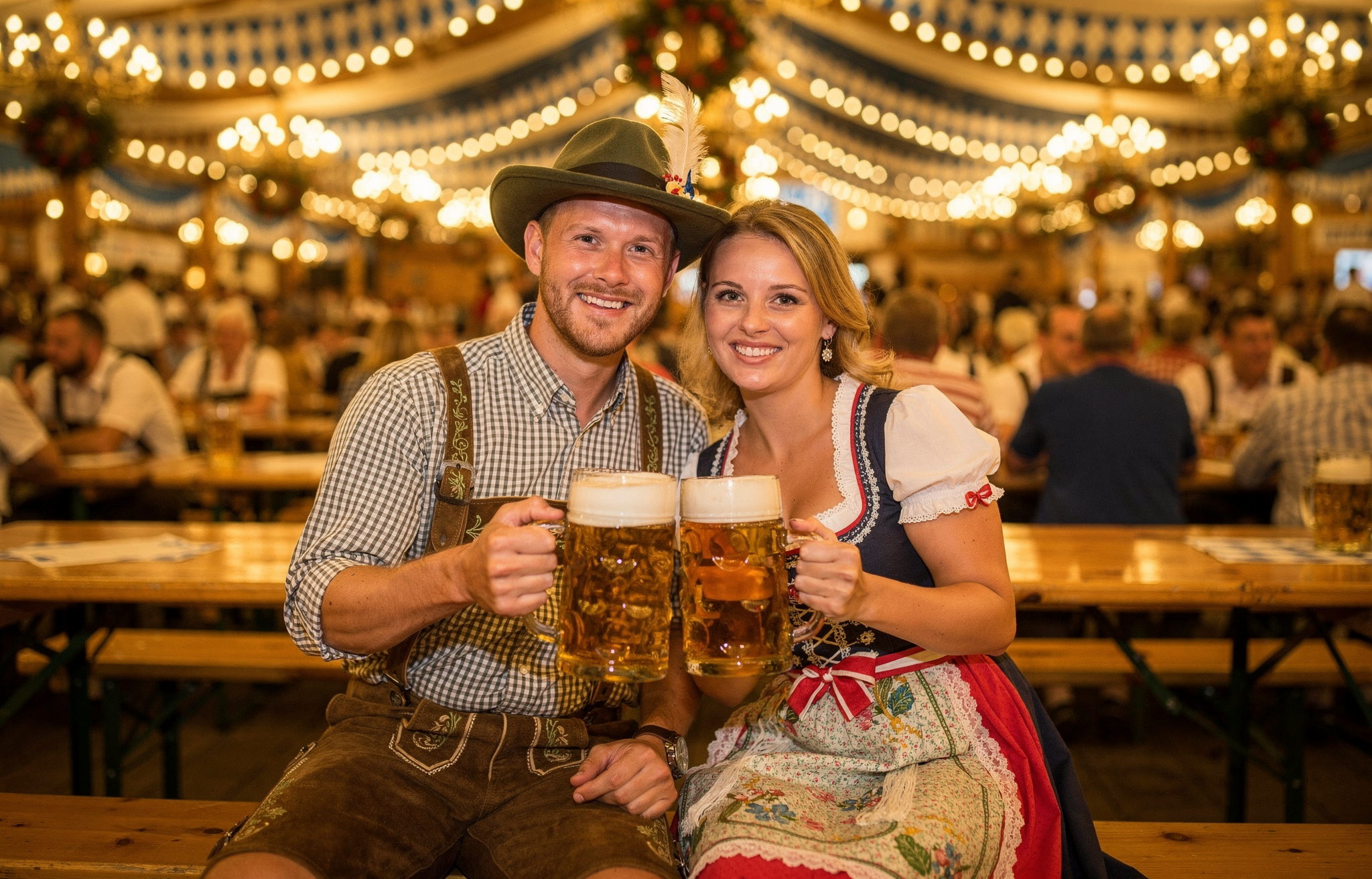
Bild von einem Paar auf dem Oktoberfest in einem Bierzelt
Prompting in the native language of the content you’re creating often produces more culturally authentic results - local markets, architecture, and atmosphere are rendered with greater accuracy.
Generate each panel separately while keeping character descriptions consistent:
Panel 1 Prompt: The Crisis
“Style: Classic superhero comic Character: Worried scientist frantically typing on glowing holographic keyboard, face illuminated by blue light showing deep concern Setting: Massive computer server room with sparking circuits and red warning lights flashing on monitors Text: ‘The AI models are corrupting! We need Diffusion Man!’ Mood: Tense, urgent + dramatic blue and red tones”
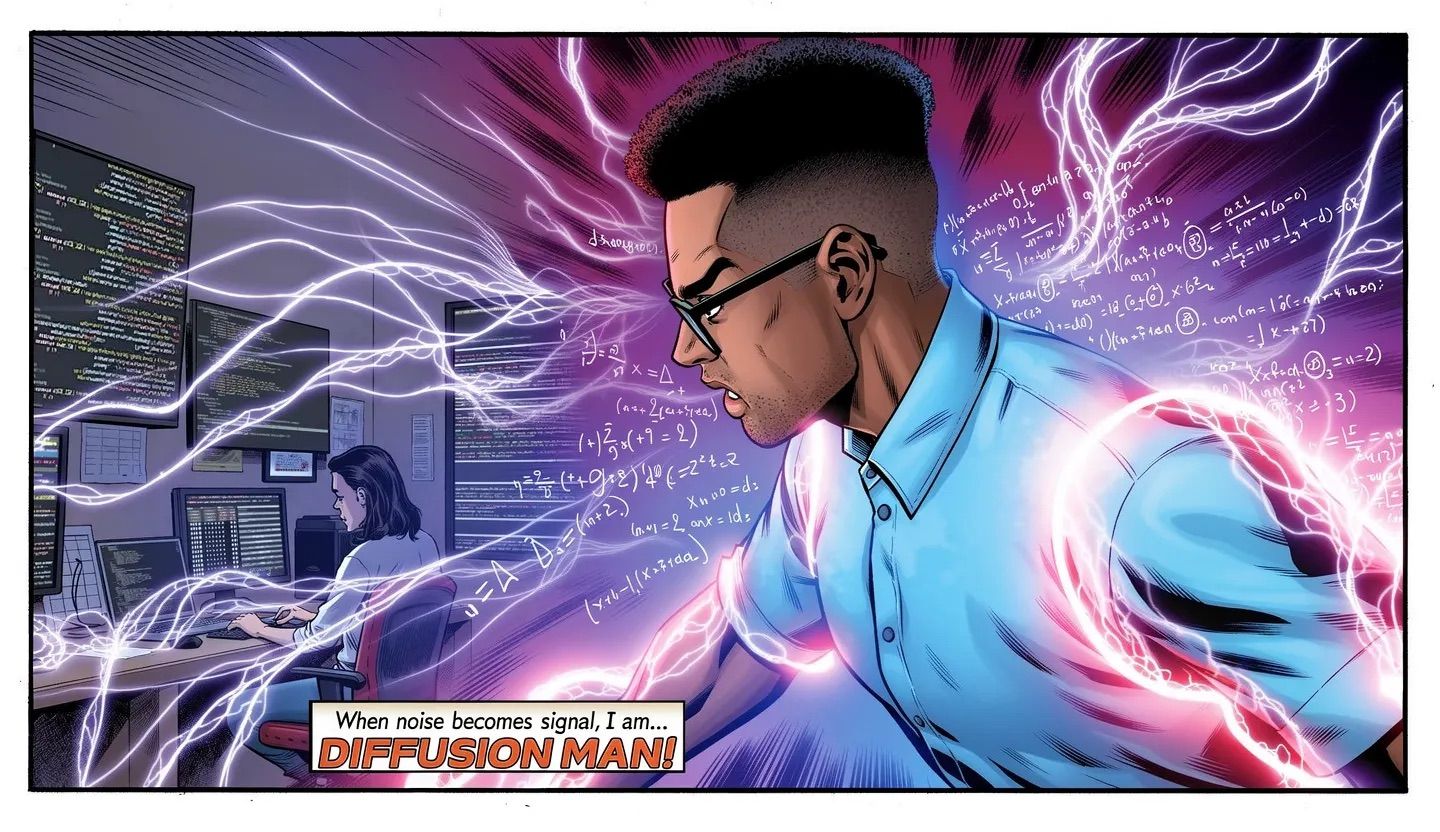
Panel 2 Prompt: The Transformation
“Style: Classic superhero comic with dynamic action lines and electric energy effects Character: Diffusion Man/Mild-mannered programmer (30 years old, brown skin tone, short natural fade haircut with black hair, black-framed glasses, light blue button-up shirt, athletic build, strong jawline) body begins to glow with swirling gradients of deep purple, electric blue, and hot pink energy, mathematical equations and neural network patterns flowing around him in glowing lines Setting: Small office with computer monitors displaying code and error messages Text: ‘When noise becomes signal, I am… DIFFUSION MAN!’ Mood: Powerful, transformative + dramatic backlighting and energy radiating outward in waves”
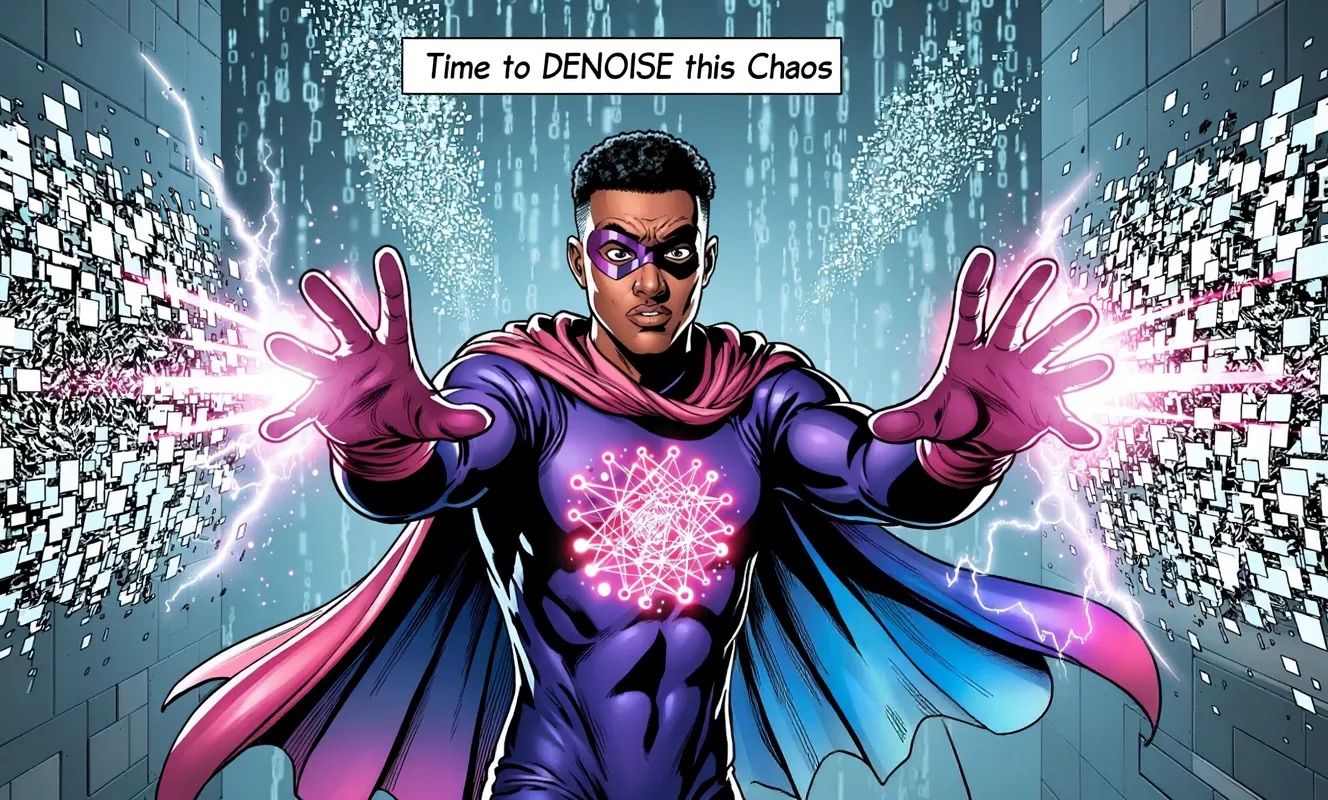
Panel 3 Prompt: The Battle
“Style: Classic superhero comic with explosive action and dynamic composition Character: Diffusion Man (athletic 30-year-old with brown skin tone and short natural fade haircut with black hair, wearing sleek bodysuit with gradient patterns from deep purple to electric blue to hot pink, glowing neural network emblem on chest with interconnected nodes, short gradient cape, purple half-mask showing strong jawline and confident expression) extends both hands forward in powerful stance, shooting beams of structured noise and latent space energy at corrupted digital monsters made of glitching pixels and broken code Setting: Digital cyberspace environment with floating data cubes and cascading binary code Text: ‘Time to DENOISE this chaos!’ Mood: Intense, action-packed + bright energy flashes and electric effects”
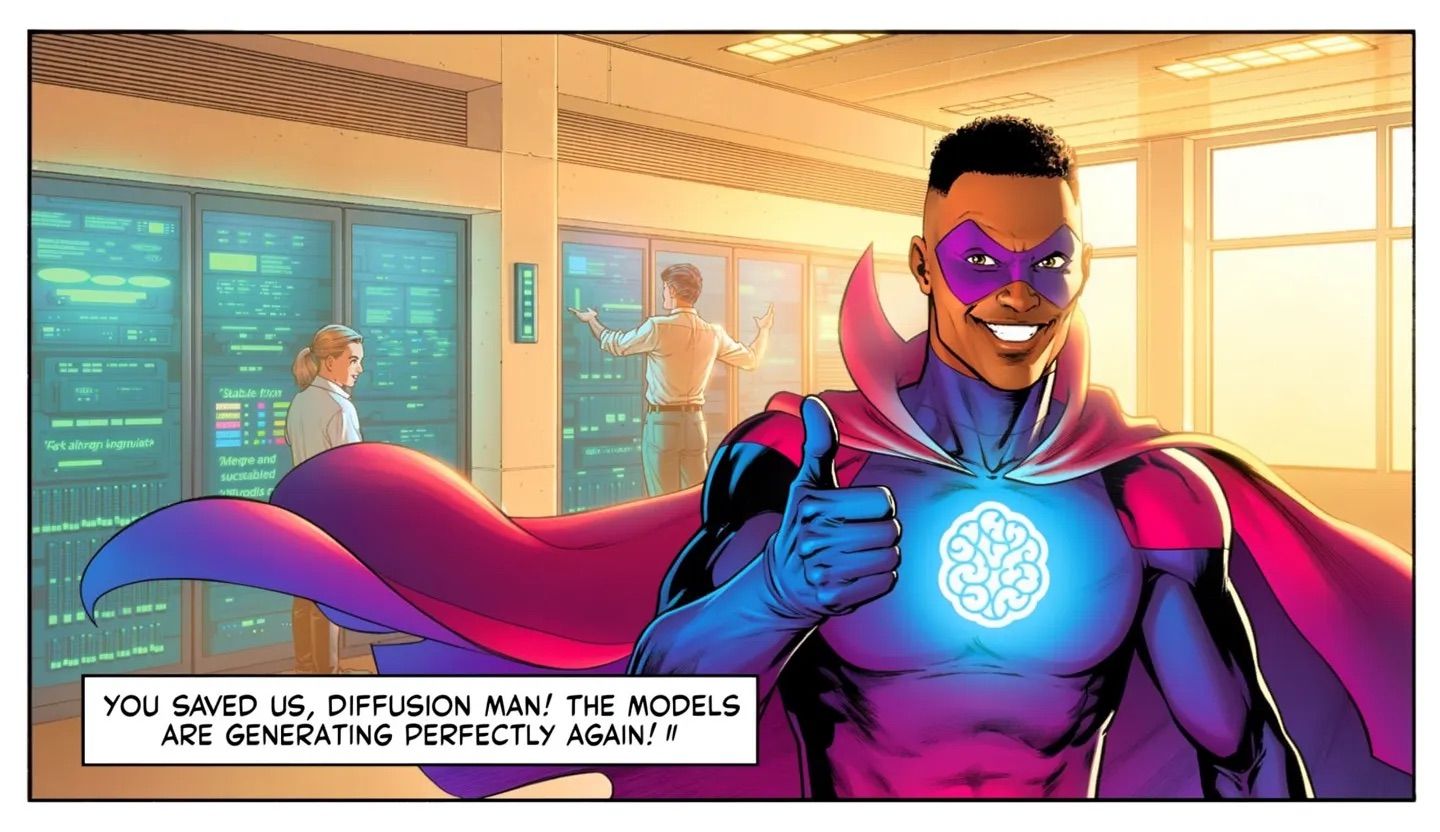
Panel 4 Prompt: Victory
“Style: Classic superhero comic with warm, triumphant colors and clean composition Character: Diffusion Man (athletic 30-year-old with brown skin tone and short natural fade haircut with black hair, wearing sleek gradient bodysuit from deep purple to electric blue to hot pink, glowing neural network emblem on chest, short gradient cape flowing behind him, purple half-mask, strong jawline, confident heroic smile) stands heroically giving thumbs up gesture to grateful scientist beside him, her computer screens now showing stable green indicators and success messages Setting: Calm server room with soft blue ambient lighting and orderly data streams flowing smoothly in organized patterns Text: ‘You saved us, Diffusion Man! The models are generating perfectly again!’ Mood: Victorious, hopeful + golden sunset-like tones streaming through windows”
Character Consistency: Notice how Diffusion Man’s description stays detailed and consistent across panels—brown skin tone, short natural fade haircut, gradient bodysuit from purple to blue to pink, neural network emblem, purple half-mask. Repeat these details in every panel prompt.
For complex scenes and production workflows, FLUX.2 interprets structured JSON prompts, giving you precise control over every aspect of your image.When to use JSON:
Production workflows requiring consistent structure
Automation and programmatic generation
Complex scenes with multiple subjects and relationships
When you need to iterate on specific elements independently
When natural language works better:
Quick iterations and exploration
Simple, single-subject scenes
When prompt length isn’t a concern
Creative workflows where flexibility matters
FLUX.2 understands both formats equally well—choose based on your workflow needs.
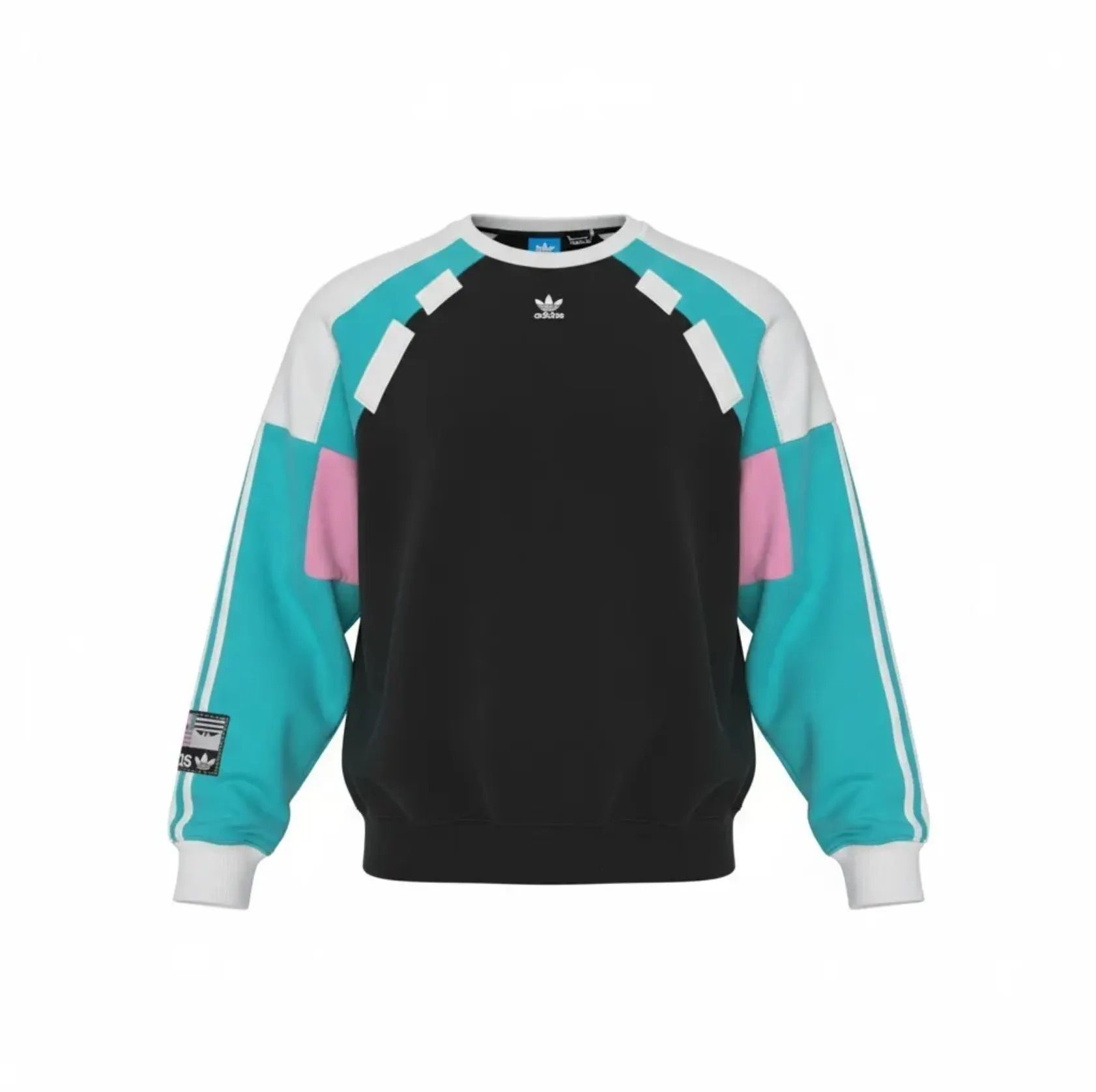
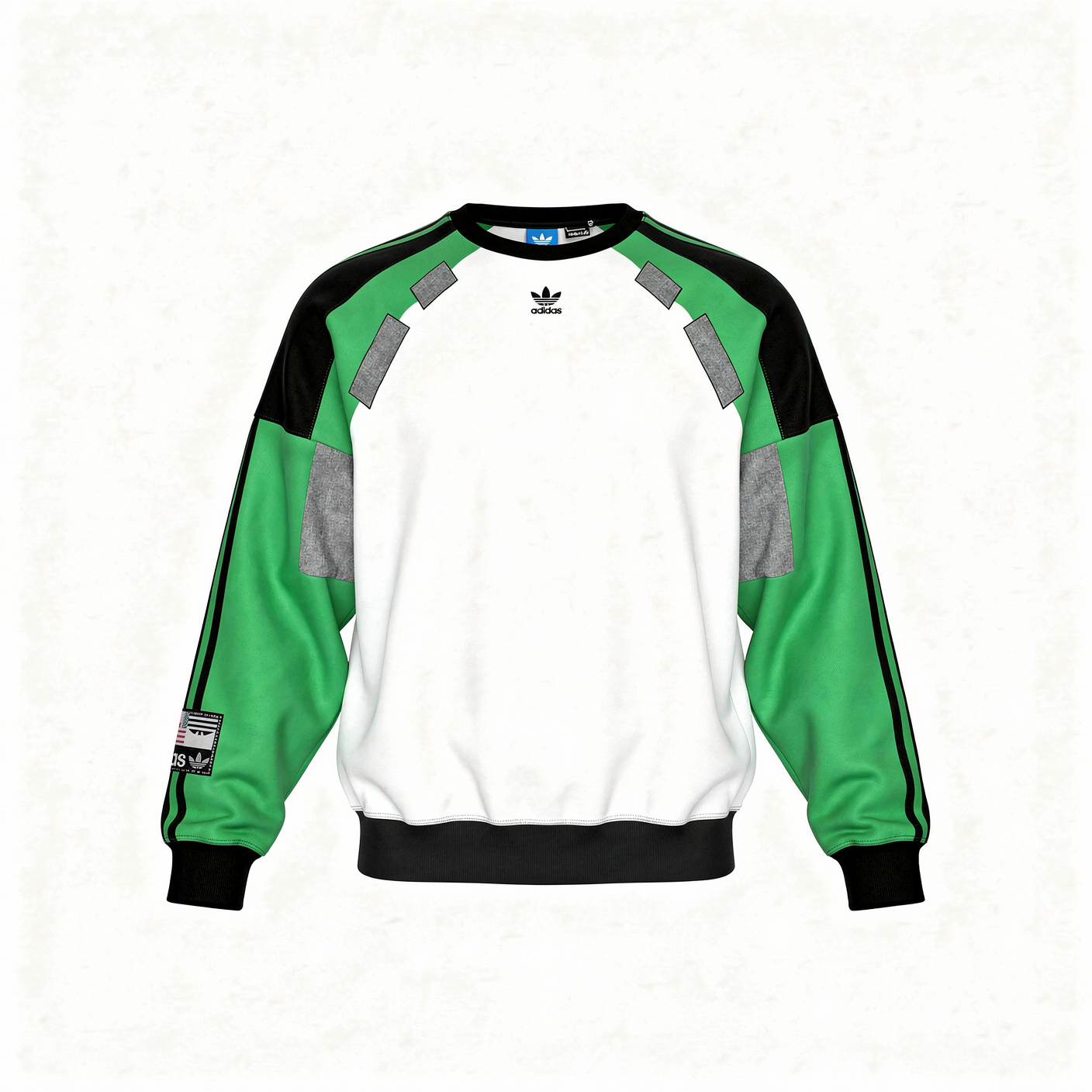
Break down products into components and assign exact hex colors to each part for brand consistency:
View JSON Prompt
Copy
Ask AI
{ "scene": "A front-facing, studio product shot of an adidas sweatshirt, isolated on a clean white background", "subjects": [ { "type": "Main Torso", "description": "The central chest and stomach panel of the sweatshirt, strictly in color #FFFFFF white", "position": "center body", "color_match": "exact" }, { "type": "Shoulder Panels", "description": "The panels on the top of the shoulders (raglan style), strictly in color #000000 black", "position": "shoulders", "color_match": "exact" }, { "type": "Sleeves", "description": "The long sleeves extending from the shoulder panels, strictly in color #86E04A lime green", "position": "arms", "color_match": "exact" }, { "type": "Middle Sleeve Patch", "description": "Geometric rectangular patch on the middle sleeves, strictly in color #615E5E gray", "position": "middle sleeves", "color_match": "exact" }, { "type": "Brand Logo", "description": "The Adidas Trefoil logo embroidered on the upper center chest, strictly in color #000000 black", "position": "upper chest center", "detail_preservation": "high" }, { "type": "Trims and Stripes", "description": "The three-stripes on the sleeves, the ribbed neck collar, and the wrist cuffs, strictly in color #000000 black", "position": "trims", "color_match": "exact" }, { "type": "Background", "description": "A flat, seamless white studio background, identical to the source", "position": "background", "color_match": "exact" } ], "color_palette": [ "#FFFFFF", "#86E04A", "#615E5E", "#000000" ]}
Each subject has a type, description with explicit color specification, position, and color_match: "exact" for precise control.
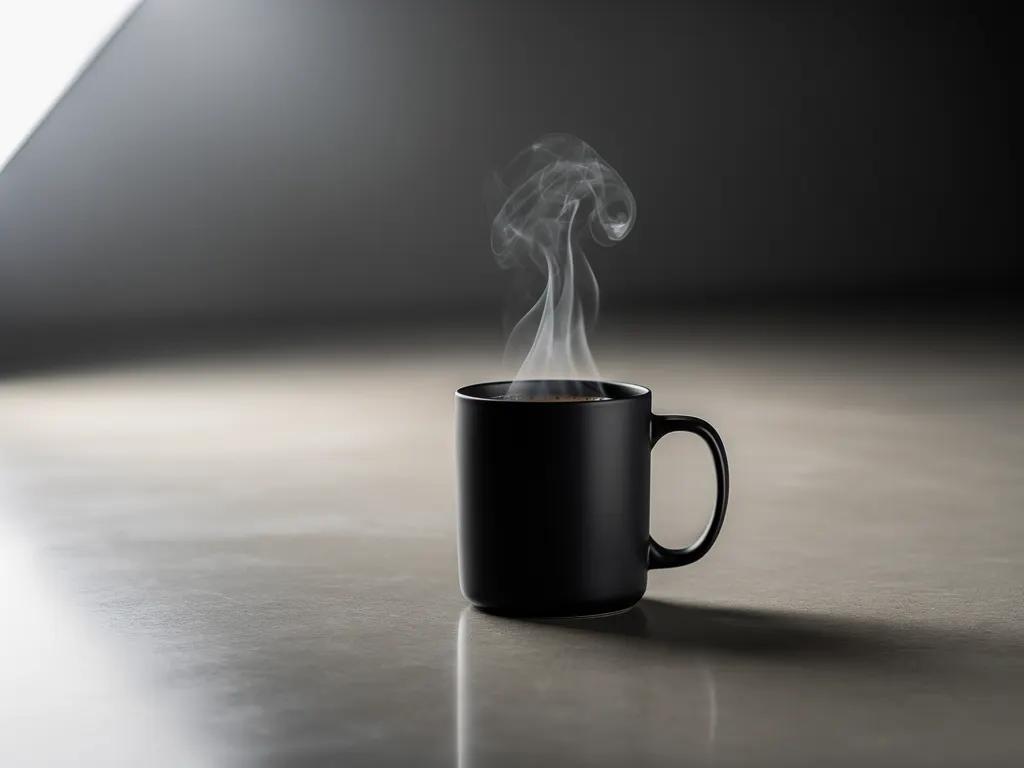
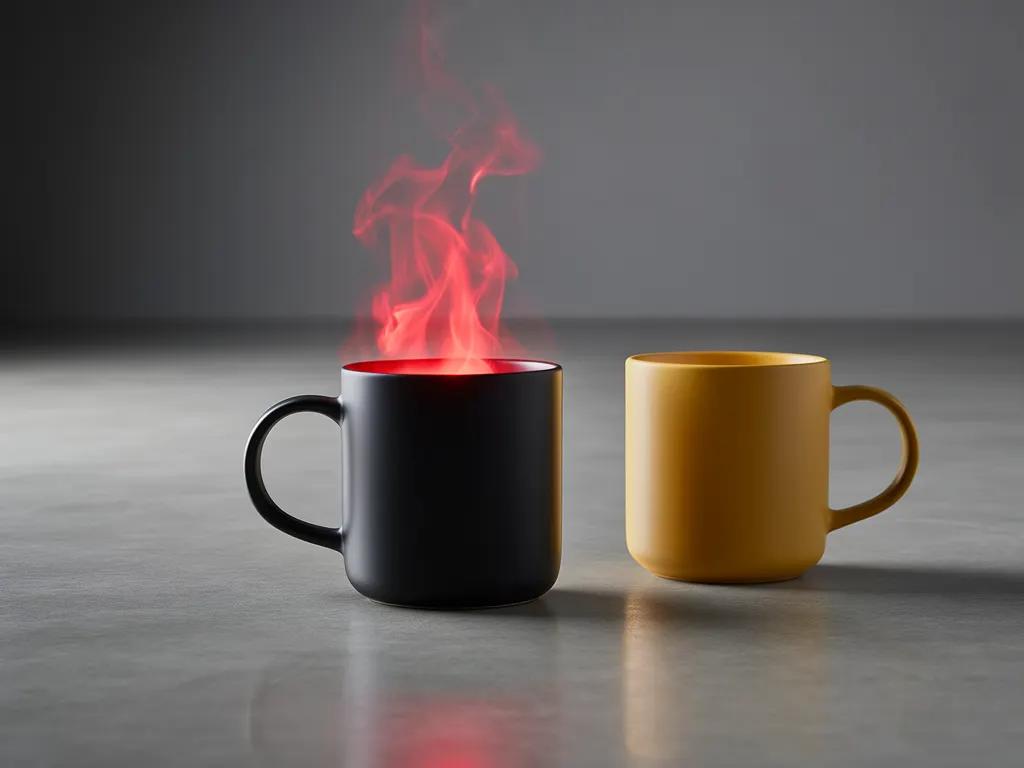
Let’s build a product shot incrementally to see how each element contributes.Step 1: Generating a coffee mug
Copy
Ask AI
{ "scene": "Professional studio product photography setup with polished concrete surface", "subjects": [ { "description": "Minimalist ceramic coffee mug with steam rising from hot coffee inside", "pose": "Stationary on surface", "position": "Center foreground on polished concrete surface", "color_palette": ["matte black ceramic"] } ], "style": "Ultra-realistic product photography with commercial quality", "color_palette": ["matte black", "concrete gray", "soft white highlights"], "lighting": "Three-point softbox setup creating soft, diffused highlights with no harsh shadows", "mood": "Clean, professional, minimalist", "background": "Polished concrete surface with studio backdrop", "composition": "rule of thirds", "camera": { "angle": "high angle", "distance": "medium shot", "focus": "Sharp focus on steam rising from coffee and mug details", "lens-mm": 85, "f-number": "f/5.6", "ISO": 200 }}
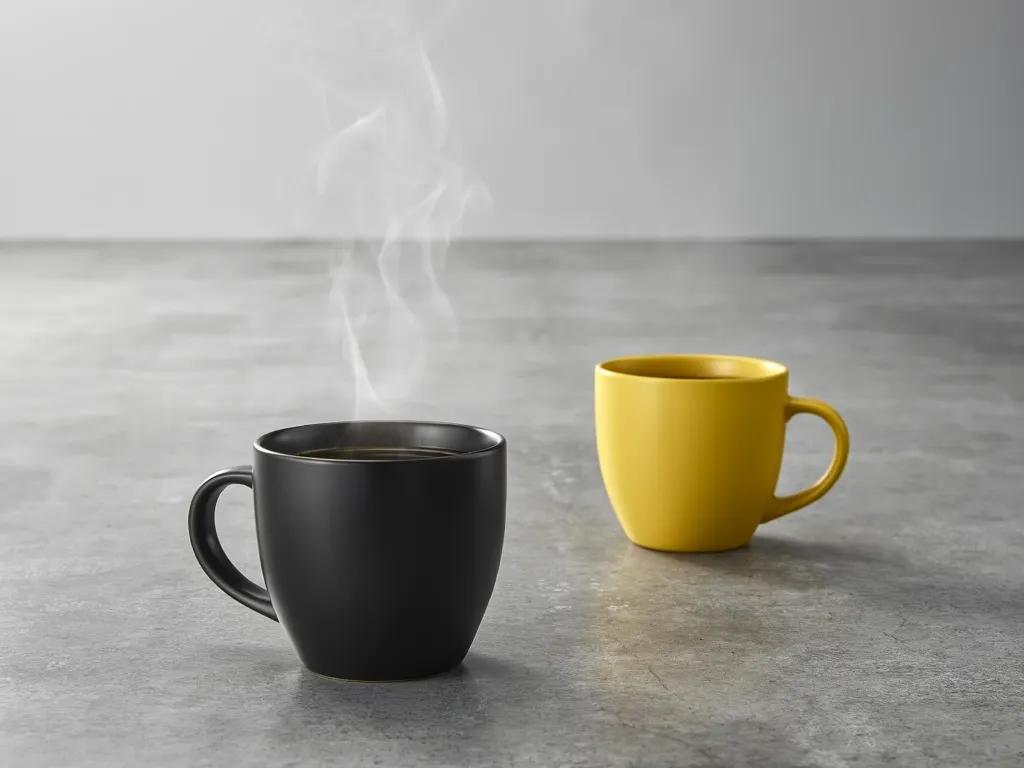
Step 2: Adding a second mug in a different color
Copy
Ask AI
{ "scene": "Professional studio product photography setup with polished concrete surface", "subjects": [ { "description": "Minimalist ceramic coffee mug with steam rising from hot coffee inside", "pose": "Stationary on surface", "position": "Center foreground on polished concrete surface", "color_palette": ["matte black ceramic"] }, { "description": "Minimalist ceramic coffee mug, matching design to the black mug", "pose": "Stationary on surface", "position": "Right side of the black mug on polished concrete surface", "color_palette": ["matte yellow ceramic"] } ], "style": "Ultra-realistic product photography with commercial quality", "color_palette": ["matte black", "matte yellow", "concrete gray", "soft white highlights"], "lighting": "Three-point softbox setup creating soft, diffused highlights with no harsh shadows", "mood": "Clean, professional, minimalist", "background": "Polished concrete surface with studio backdrop", "composition": "rule of thirds", "camera": { "angle": "high angle", "distance": "medium shot", "focus": "Sharp focus on steam rising from coffee and both mugs in frame", "lens-mm": 85, "f-number": "f/5.6", "ISO": 200 }}
Step 3: Change the color of the steam
Copy
Ask AI
{ "scene": "Professional studio product photography setup with polished concrete surface", "subjects": [ { "description": "Minimalist ceramic coffee mug with bright red steam rising from hot coffee inside", "pose": "Stationary on surface", "position": "Center foreground on polished concrete surface", "color_palette": ["matte black ceramic", "bright red steam"] }, { "description": "Minimalist ceramic coffee mug, matching design to the black mug", "pose": "Stationary on surface", "position": "Right side of the black mug on polished concrete surface", "color_palette": ["matte yellow ceramic"] } ], "style": "Ultra-realistic product photography with commercial quality", "color_palette": ["matte black", "matte yellow", "bright red", "concrete gray", "soft white highlights"], "lighting": "Three-point softbox setup creating soft, diffused highlights with no harsh shadows", "mood": "Clean, professional, minimalist", "background": "Polished concrete surface with studio backdrop", "composition": "rule of thirds", "camera": { "angle": "high angle", "distance": "medium shot", "focus": "Sharp focus on steam rising from coffee and both mugs in frame", "lens-mm": 85, "f-number": "f/5.6", "ISO": 200 }}
You can include the JSON directly in your prompt, or flatten it into natural language. FLUX.2 understands both formats.
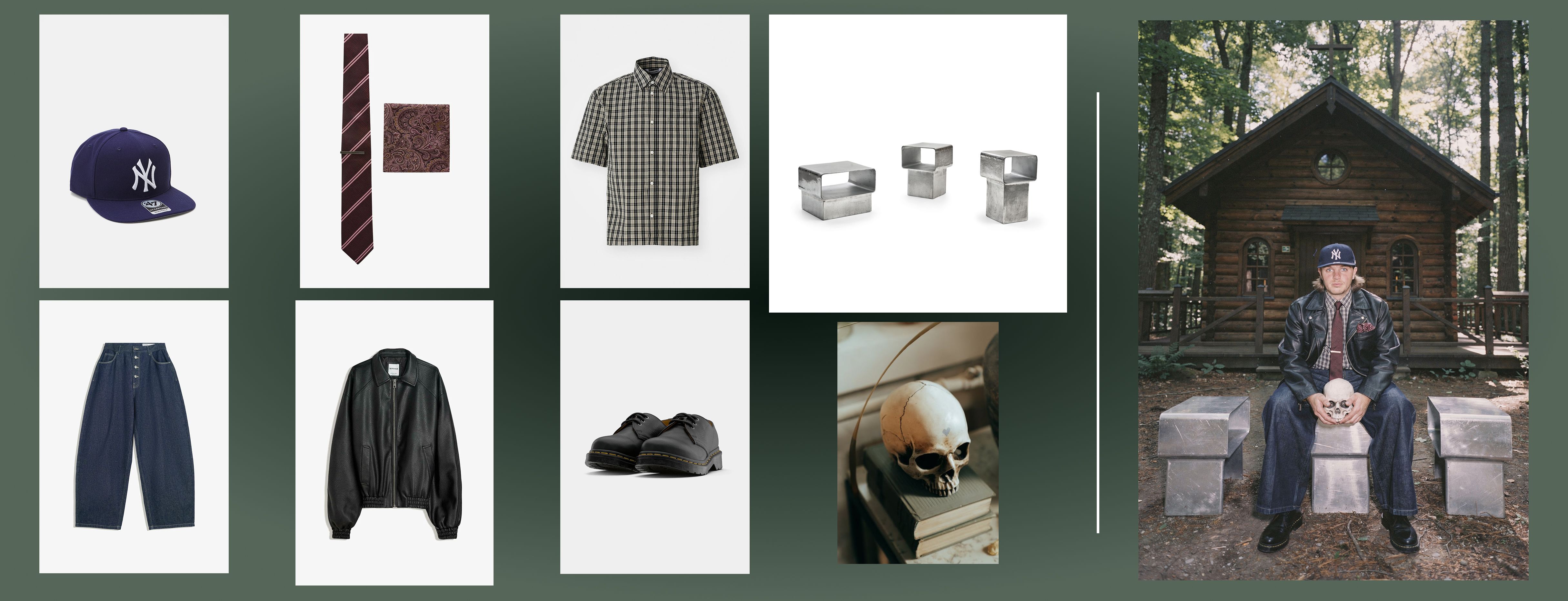
Prompt:“A spiritual architectural photograph captured on expired Kodak Ektachrome 64 slide film cross-processed from 1987 with a 35mm spherical lens at f/5.6, featuring model standing before small forest chapel in clearing. The model wears the outfit, positioned on stone steps leading to wooden chapel, red creating stark contrast against weathered brown timber. Background shows traditional Schwarzwald chapel - dark wood construction with small bell tower, carved wooden door, religious paintings under eaves, surrounding clearing with wild flowers, tall firs creating natural cathedral, small cemetery with wooden crosses. Dappled forest light at 1/125. Cross-processed Ektachrome showing extreme color shifts - cyan-magenta split, warm wood tones pushed to orange-brown, oversaturated red, crushed black shadows, blown highlights, heavy grain creating mysterious atmosphere. Composition emphasizes sacred spaces and pilgrimage. Thomas Struth church interiors, Candida Höfer architectural documentation, religious tourism meets fashion editorial, spiritual Schwarzwald mysticism.”
For multi-reference editing, describe how each input should be used. The model combines clothing items, accessories, and style references into a cohesive scene based on your prompt.
Use JSON structured prompts when you need precise control over multiple elements. Start simple and add complexity as needed.
Be Specific with Colors
Always associate hex codes with specific objects. “The car is #FF0000” works better than “use red #FF0000 in the image.”
Describe What You Want
FLUX.2 has no negative prompts. Instead of “no blur,” say “sharp focus throughout.” Instead of “no people,” describe an “empty scene.”
Reference Camera and Style
For photorealism, specify camera models, lenses, and film stocks. “Shot on Fujifilm X-T5, 35mm f/1.4” produces more authentic results than “professional photo.”
Use Native Languages
Prompt in the language that best describes your desired cultural context. French for Parisian scenes, Japanese for anime styles.
Layer Multi-Reference Carefully
When using multiple input images, clearly describe the role of each: subject from image 1, style from image 2, background from image 3.